


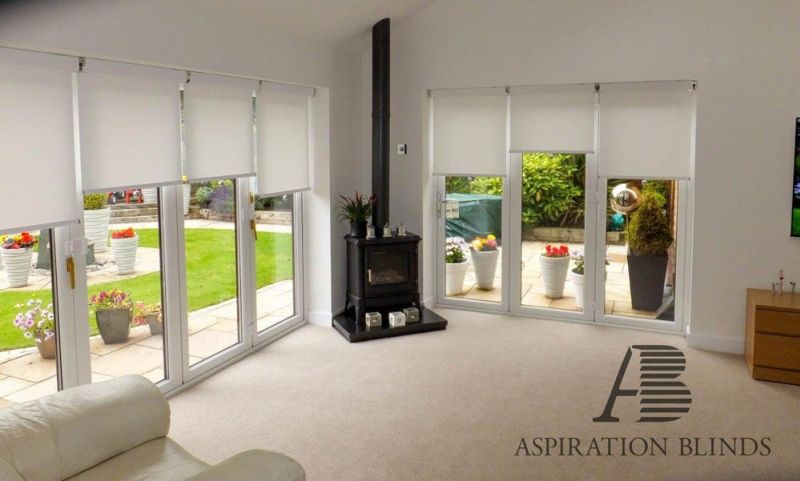


Why Hallways and Landings Need the Right Blinds
Hallways and landings connect your home, guide movement, and often contain large or awkwardly positioned windows. Because of this, the blinds you choose need to be both practical and visually balanced.
Managing Natural Light
These areas can either feel too dark or overwhelmingly bright. A front-facing hallway may receive strong daylight, while a stairwell window can create glare at certain times of day.
Blinds allow you to soften the light rather than block it completely. Adjustable options such as Venetian or vision blinds give you flexibility, helping you avoid harsh shadows while keeping the space bright and welcoming.
Maintaining Privacy
Hallway windows are often positioned near front doors or facing the street. Staircase windows can also overlook neighbouring properties.
Without the right window covering, privacy can quickly become an issue, particularly in the evenings when indoor lights are on. Blinds provide a simple way to control visibility without sacrificing natural light.
Improving Temperature & Comfort
Because hallways are typically near entrances, they can feel colder than the rest of the home. Large stairwell windows can also contribute to heat loss.
Well-fitted blinds help reduce draughts and add an extra layer of insulation, making these transitional spaces feel more comfortable year-round.
Creating a Cohesive First Impression
Your hallway sets the tone for your entire home. A poorly fitted or mismatched blind can disrupt the overall aesthetic, while a well-chosen style can subtly elevate the space and create continuity with the rooms beyond.
Small details make a bigger difference here than many homeowners realise.
What to Consider Before Choosing Blinds for Your Hallway or Landing
Before choosing a style, it’s worth thinking about how the space is actually used. Hallways and landings often present different challenges compared to living rooms or bedrooms.
Here are a few key things to keep in mind.
Window Size and Shape
Staircase and landing windows are rarely straightforward.
You might be dealing with:
- Tall, narrow windows
- Windows positioned halfway up a staircase
- Wide landing windows
- Apex or angled windows in modern homes
Standard, off-the-shelf blinds don’t always suit these shapes. In many cases, made to measure blinds provide a far neater and more practical solution, particularly for unusually sized or elevated windows.
Balancing Light and Privacy
Unlike bedrooms, hallways don’t usually require blackout blinds, but they do need privacy.
A good hallway blind should:
- Let natural light filter through
- Prevent direct visibility from outside
- Reduce glare without darkening the space
This is why adjustable styles such as Venetian, vertical or vision blinds are particularly popular in these areas.
Accessibility and Operation
Windows on staircases can be harder to reach. That makes ease of operation especially important.
Consider:
- Smooth, reliable mechanisms
- Wand control instead of cords where possible
- Motorised options for higher windows
Practicality matters just as much as appearance in these spaces.
Matching the Style of Your Home
Your hallway introduces the design story of your home. The blinds you choose should complement that.
- Period properties often suit wooden Venetian or Roman blinds.
- Modern homes tend to work well with roller, pleated or perfect fit blinds.
- Minimalist interiors benefit from clean lines and neutral fabrics.
Choosing blinds that align with your wider interior style creates a cohesive, intentional look from the moment someone walks in.
The Best Types of Blinds for Hallways and Landings
Different spaces call for different solutions. Below are some of the most effective and stylish blind options for hall and landing windows.
Roman Blinds: Softness & Warmth
If your hallway feels narrow or slightly cold, Roman blinds can instantly soften the space.
Made from fabric that folds neatly when raised, they introduce texture and warmth, something especially valuable in entrance areas that might otherwise feel stark.
They’re ideal for traditional homes or properties with period features, where a more elegant finish suits the surroundings.
Roman blinds also work beautifully when coordinated with other soft furnishings, helping your hallway flow seamlessly into adjacent rooms.
Venetian Blinds: Precise Light Control
For front-facing hallways or staircases overlooking neighbouring properties, light control is key.
Venetian blinds offer adjustable slats, allowing you to tilt them to maintain privacy while still letting natural light filter through. This flexibility makes them one of the most practical choices for these areas.
They’re available in both aluminium and wooden finishes:
- Aluminium Venetian blinds create a clean, modern look.
- Wooden Venetian blinds add warmth and character, particularly in neutral or earthy interiors.
If privacy is a priority, this style gives you the most control throughout the day.
Roller Blinds: Simple & Versatile
Roller blinds are often underestimated, but they’re incredibly effective in hallways and landings.
With a single piece of fabric that rolls neatly away, they don’t overwhelm smaller windows. Their simplicity makes them ideal for minimalist spaces, and the wide range of available fabrics means you can keep things subtle or introduce pattern where needed.
They’re particularly well-suited to smaller hallway windows beside front doors.
Perfect Fit Blinds: Ideal for uPVC Windows & Doors
Some hallway windows are attached to doors or frequently opened for ventilation. In these cases, standard blinds can move or knock against the frame.
Perfect fit blinds solve that problem.
Designed to clip directly into the window frame without drilling, they:
- Move with the window or door
- Sit neatly within the frame
- Provide a sleek, integrated appearance
They’re especially popular for modern homes with uPVC windows and for half-landings with door access.
Pleated Blinds: Great for Tall or Shaped Windows
If your landing features a tall feature window or even an angled apex design, pleated blinds are a smart solution.
Their structured, compact design makes them suitable for larger expanses of glass without looking bulky. They’re also a popular option in contemporary homes where clean lines are important.
For stairwells with high windows, pleated blinds offer practicality without compromising style.
Vertical Blinds: Practical for Wider Windows
Not every landing window is narrow. Wider windows can benefit from vertical blinds, which provide adjustable light control across a larger surface area.
They’re easy to maintain and particularly useful where privacy is needed but full blackout isn’t required.
Apex Window Blinds: For Unique Architectural Features
Modern homes sometimes include angled or apex windows above staircases. These can be difficult to dress with standard window coverings.
Apex blinds are designed specifically for these shapes, ensuring the window is dressed neatly without leaving awkward gaps. For unique spaces, a custom solution makes all the difference.
Why Made to Measure Blinds Are Ideal for Hallways and Landings
Hallway and landing windows are rarely standard.
They’re often taller, narrower, positioned higher up, or shaped differently from the rest of the home. Because of this, off‑the‑shelf options don’t always provide the best result.
Made to measure blinds are designed specifically for your window dimensions, ensuring a precise fit, which matters more in these spaces than many homeowners realise.
A Cleaner Finish
In a main living room, small light gaps might go unnoticed. In a narrow hallway, they’re far more obvious.
Blinds made to measure sit neatly within or over the recess, creating a more polished and intentional appearance. There’s no awkward overhang, no uneven edges, and no compromise on proportions.
Better Light & Privacy Control
Hallways often require filtered light rather than blackout coverage. A precise fit allows you to manage privacy without darkening the space unnecessarily.
With made-to-measure blinds, you avoid gaps at the sides, particularly important for front-facing windows where privacy is a concern.
Improved Insulation
Because hallways are typically near entrances, they can feel cooler than other rooms. Well-fitted blinds add an extra barrier at the window, helping reduce draughts and regulate temperature.
A properly measured blind simply performs better than one adapted from a standard size.
Safer & More Practical for Staircases
Windows positioned above staircases can be difficult to access and tricky to measure accurately.
Choosing made to measure and fitted blinds ensures:
- Accurate measurements
- Secure installation
- Smooth operation
- Peace of mind
In higher or awkward spaces, precision matters.
Design Tips for Styling Hallway & Landing Blinds
Even simple window coverings can make a big difference in transitional spaces. Here are a few easy ways to transform your hallway and landing so it feels intentional and well styled.
Keep It Light in Narrow Spaces
Hallways are often compact, so heavy fabrics or very dark colours can make them feel smaller.
Opt for:
- Light-filtering fabrics
- Soft neutrals
- Subtle textures
This keeps the space bright while still maintaining privacy.
Match Your Staircase Accents
Your blinds don’t have to be a statement piece, they can quietly complement other features in the space.
Consider tying your blind colour to:
- Bannisters or handrails
- Stair carpet tones
- Wall paint shades
- Door hardware finishes
Small design connections create a cohesive look.
Don’t Be Afraid of Pattern (In Moderation)
Because hallways typically contain less furniture, they can actually handle a little pattern.
A subtle geometric or textured Roman blind can add character without overwhelming the space. Just keep the rest of the décor relatively simple to maintain balance.
Think About the View From Below
Landing windows are often seen from downstairs. Make sure the blind looks good from multiple angles, especially if it’s positioned above the staircase.
A neatly fitted blind with clean lines will always look more intentional than something oversized or uneven.
Coordinate With Nearby Rooms
Hallways connect your home, so they’re the perfect place to create visual flow.
If you’ve chosen made to measure blinds elsewhere in your property, selecting complementary fabrics or finishes in the hallway can help everything feel connected rather than disjointed.
Hallway & Landing Blinds at Aspiration Blinds
If you’re considering upgrading your hallway or landing windows, professionally measured and fitted blinds can make all the difference, delivering a precise fit, smooth operation and a finish that truly complements your space.
For expert advice and a wide range of made to measure blinds, Aspiration Blinds is here to help you find the perfect solution for your home.
Frequently Asked Questions About Hallway & Landing Blinds
What type of blinds are best for hallways?
The best blinds for hallways are those that allow natural light in while maintaining privacy. Popular options include roller blinds, Venetian blinds and Roman blinds, depending on your interior style.
For front-facing hallways, adjustable blinds such as Venetian or vision blinds are ideal, as they let you control light levels throughout the day.
Should hallway blinds be blackout?
In most cases, blackout blinds aren’t necessary for hallways or landings. These areas benefit more from light-filtering fabrics that keep the space bright while reducing glare and maintaining privacy.
However, if your hallway window receives intense direct sunlight, a dim-out or lined blind may help soften the light without darkening the room completely.
Are made to measure blinds better for stair windows?
Yes — staircase windows are often tall, narrow or awkwardly positioned, making them difficult to cover with standard sizes.
Made to measure blinds are built to your exact window dimensions, ensuring a precise fit and safer installation. This is especially important for higher windows where measuring and fitting can be more challenging.
How do I maintain privacy in a front hallway window?
If your hallway faces the street, privacy is essential, particularly in the evenings when indoor lights are on.
Blinds that offer adjustable control, such as Venetian or vertical blinds, allow you to angle the slats to prevent visibility from outside while still letting in natural light. Alternatively, light-filtering roller or Roman blinds can obscure the view without making the space feel enclosed.
Can you put blinds on tall landing windows?
Absolutely. Tall landing windows can be fitted with roller, pleated, Venetian or even vertical blinds, depending on the width and height.
For best results, blinds made to measure ensure the proportions are correct and the blind operates smoothly, even at greater heights.
Are blinds better than curtains for hallways?
Blinds are often more practical than curtains in hallways and landings because they:
- Take up less space
- Sit neatly within the window recess
- Don’t obstruct walkways
- Provide flexible light control
In narrower areas, blinds create a cleaner, less bulky finish.
Do hallway blinds help with insulation?
Yes. While they won’t replace double glazing, well-fitted blinds can help reduce draughts and add an extra layer of insulation at the window, particularly important in entrance hallways that are prone to feeling colder.