


What’s the Difference Between Blinds and Shutters?
While blinds and shutters both serve the same core purpose, the way they are designed, installed and used is very different.
Understanding how each option works makes it much easier to decide which is right for your space.
How Blinds Work
Blinds are a flexible window covering that sit inside or over the window recess and can be raised, lowered, tilted or drawn depending on the style.
Common types include:
Roller Blinds
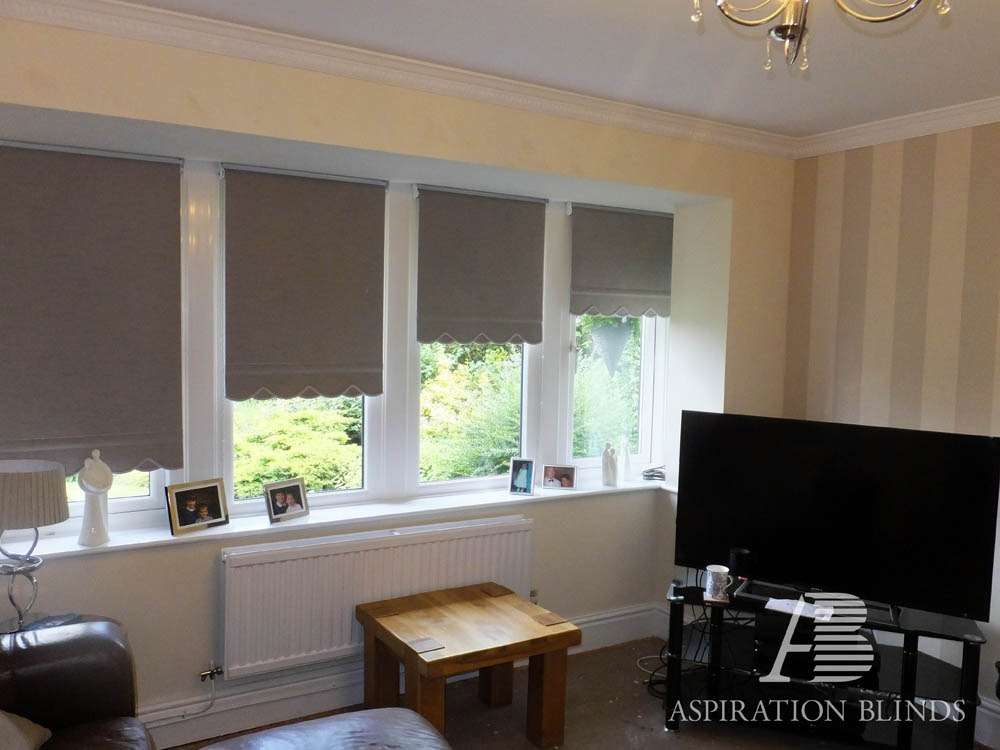
A single fabric panel that rolls up and down, ideal for clean, modern spaces
Venetian Blinds
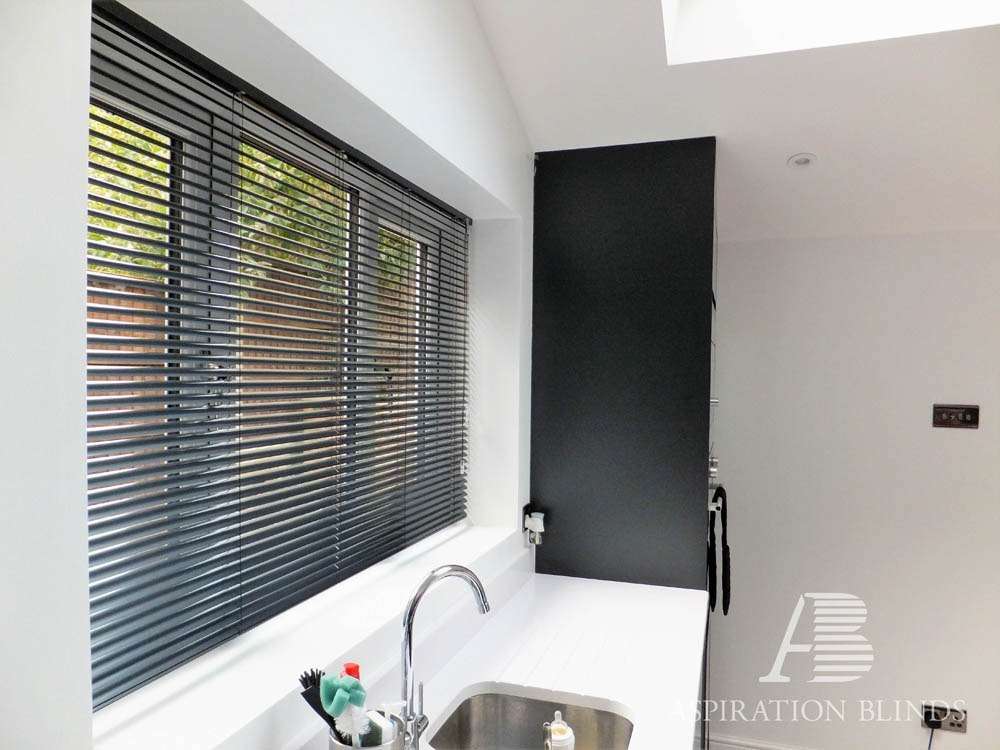
Horizontal slats, typically aluminium, wood or faux wood, offering precise light control
Vertical Blinds
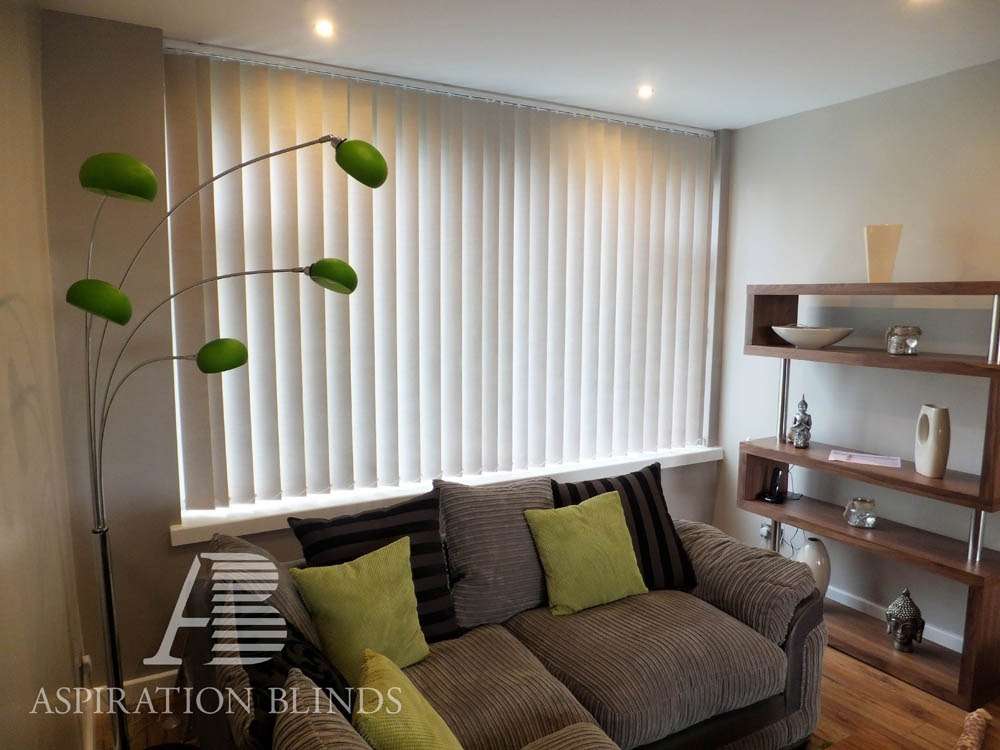
Vertical fabric slats, often used for large windows, offices or commercial settings
Pleated Blinds
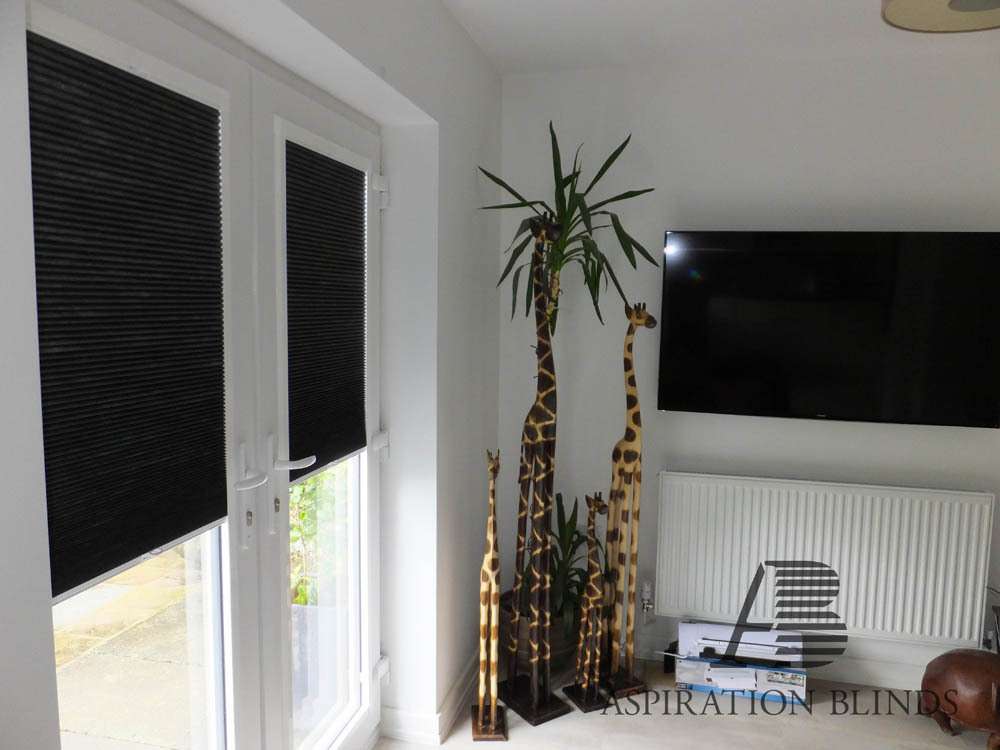
Folded fabric that stacks neatly, well suited to conservatories and roof windows
Blinds are available in a wide range of materials, colours and finishes, making them easy to match to existing décor.
One of their biggest advantages is flexibility: you can fine-tune light levels throughout the day, and they are generally quicker and more cost-effective to install than shutters.
How Shutters Work
Shutters are a more permanent window feature, fitted directly to the window frame. They consist of solid panels with adjustable louvres that control light and privacy.
Common shutter styles include:
Full-height shutters
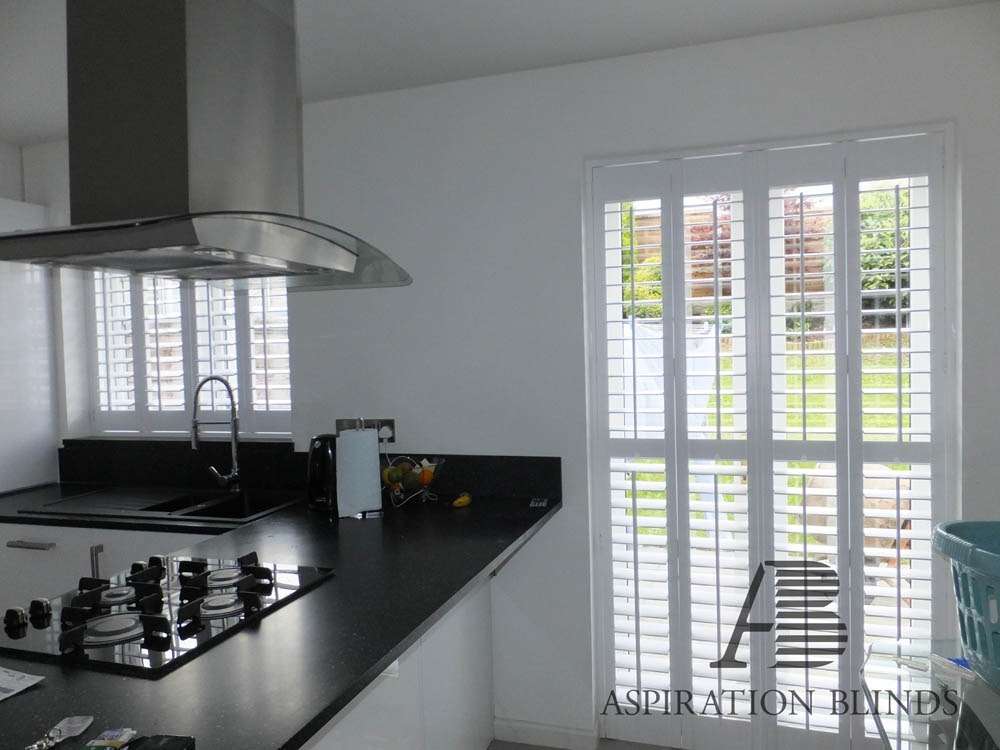
Over the entire window for a clean, uniform look
Tier-on-tier shutters
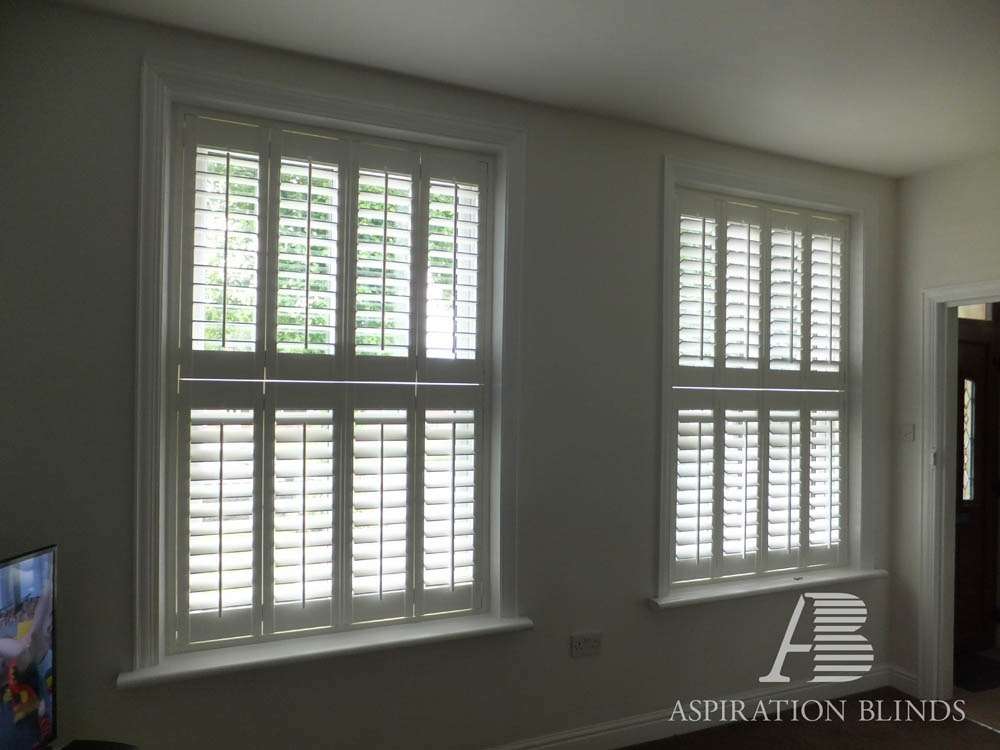
Split panels that open independently at the top and bottom
Café-style shutters
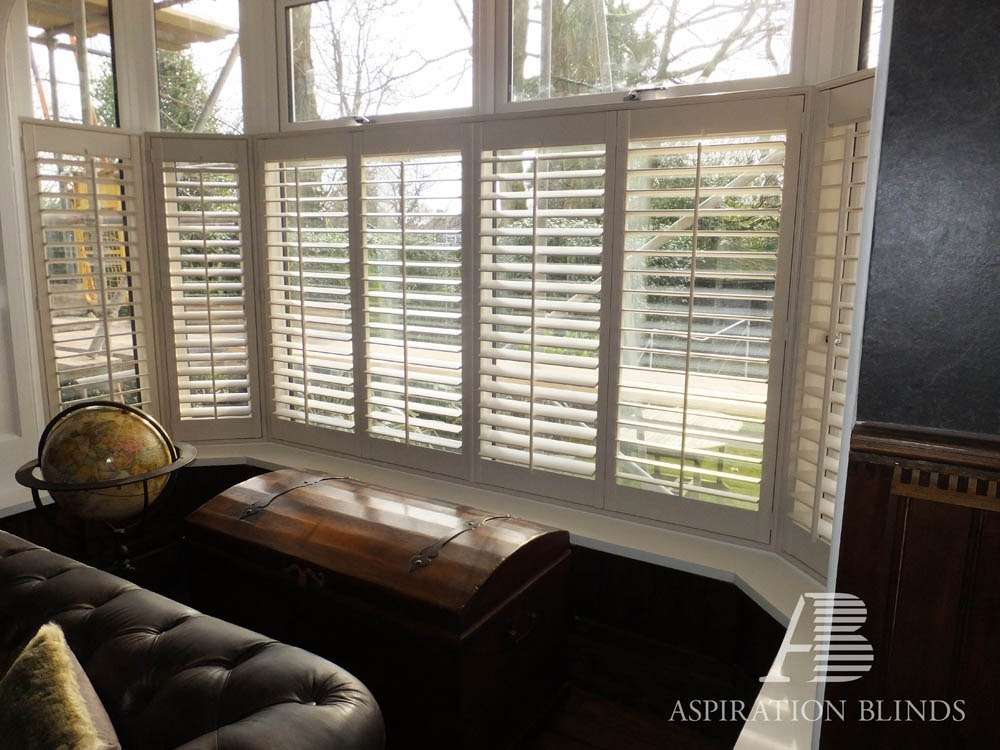
Cover only the lower portion of the window, allowing light in above
Bay window shutters
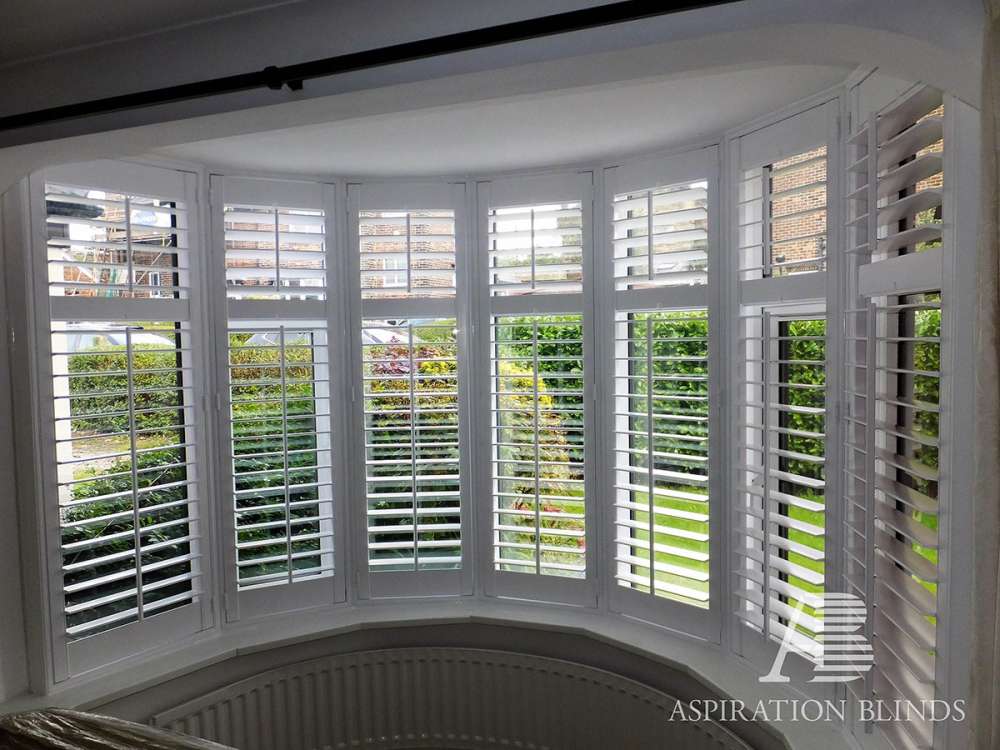
Custom-built to follow the angles of bay windows
Shutters are typically made from materials such as MDF, hardwood, or waterproof ABS. These materials offer strength, durability and, in many cases, improved insulation.
Because they are bespoke and fitted to the window, shutters tend to feel more like a built-in feature rather than a soft furnishing.
Key differences at a glance
| Feature | Blinds | Shutters |
| Installation | Fitted inside or over the window | Fixed directly to the window frame |
| Longevity | Short to medium term | Long term, highly durable |
| Maintenance | Fabric or slats may need regular cleaning | Wipe-clean, low maintenance |
| Insulation & noise | Moderate, depends on material | Strong insulation and noise reduction |
| Window shapes | Very adaptable, including roof windows | Excellent for bays and shaped windows |
In short, the difference between blinds and shutters comes down to flexibility versus permanence.
Blinds offer variety and adaptability, while shutters provide a structured, long-lasting solution that becomes part of the window itself.
Next, we’ll look at shutters vs blinds pros and cons to help you weigh up which option suits your priorities best.
Shutters vs Blinds: Pros and Cons
When weighing up shutters vs blinds, it helps to look beyond appearance and consider how each option performs day to day.
Both have clear advantages, but there are also trade-offs depending on how the space is used, the level of finish you want, and how long you expect the solution to last.
Pros of Shutters
Shutters are often chosen for their solid construction and long-term benefits.
- High insulation value – the solid panels and close fit help reduce heat loss and block draughts
- Long lifespan – shutters are built to last and can remain in place for many years
- Premium finish and kerb appeal – they create a clean, architectural look that adds value to both homes and commercial spaces
- Excellent light control and privacy – adjustable louvres allow precise control without fully closing the room off
- Bespoke for unusual window shapes – ideal for bays, arches and feature windows where standard blinds may struggle
Cons of Shutters
Despite their advantages, shutters are not always the right solution for every space.
- Higher upfront cost compared to most blinds
- Longer installation times due to bespoke measuring and fitting
- Less flexible for subtle shading – shutters offer structured control rather than soft filtering
Pros of Blinds
Blinds remain a popular choice thanks to their versatility and accessibility.
- Budget-friendly for both residential and commercial projects
- Huge range of styles and fabrics, making them easy to tailor to different rooms or branding
- Easy to install, with minimal disruption
- Well suited to tight spaces or awkward windows, including roof lights and doors
- Ideal for layering with curtains to add softness or additional insulation
Cons of Blinds
While practical, blinds do have some limitations.
- Shorter lifespan than shutters, particularly fabric-based styles
- Less effective insulation, especially in larger or draughty spaces
- Maintenance can vary – fabrics and slats may require more frequent cleaning depending on the environment
Ultimately, when comparing blinds vs shutters, the decision comes down to whether you prioritise flexibility and cost or longevity and a more permanent finish. Next, we’ll look at how to choose between shutters or blinds based on the room they’ll be used in.
Shutters or Blinds? How to Choose Based on Your Room
Choosing between shutters or blinds often comes down to how each room is used and what you need it to do on a daily basis.
Below is a practical guide to help you decide which option works best in different spaces, for both homes and commercial environments.
Living Room
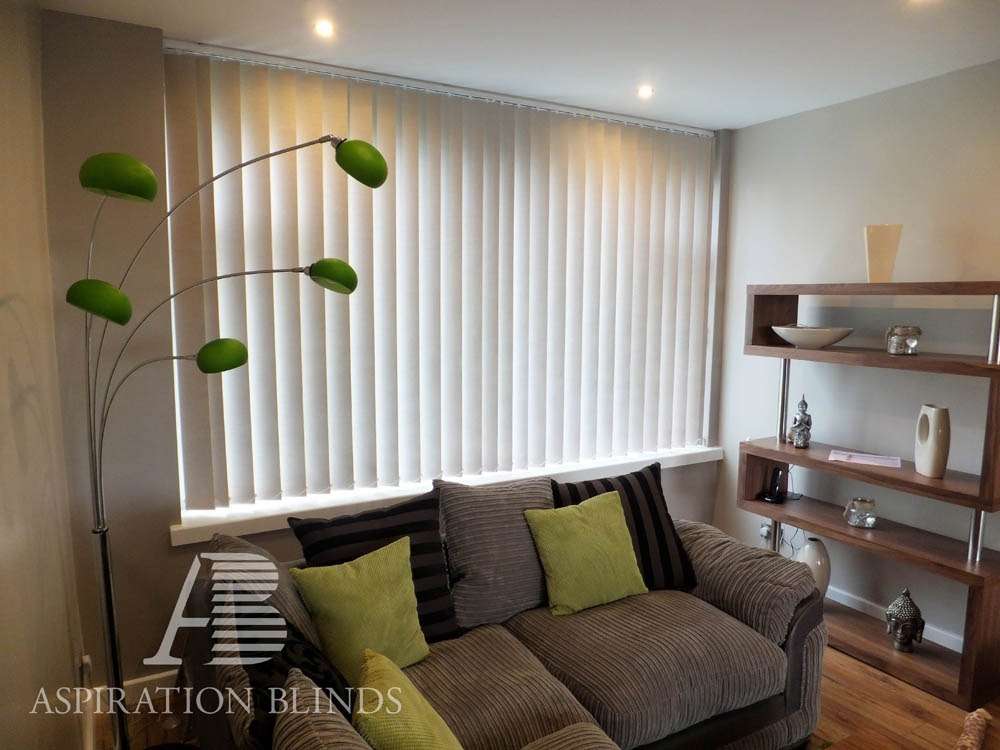
In living rooms, style and comfort tend to be the main priorities. Shutters create a clean, built-in look and help regulate temperature, which can be particularly useful in larger or street-facing rooms.
They also offer excellent privacy without blocking out natural light completely.
Blinds, on the other hand, offer more flexibility if you want to soften the space with fabrics or layer window coverings with curtains.
For rooms that change use throughout the day, blinds can make it easier to adjust light levels quickly.
Bedroom
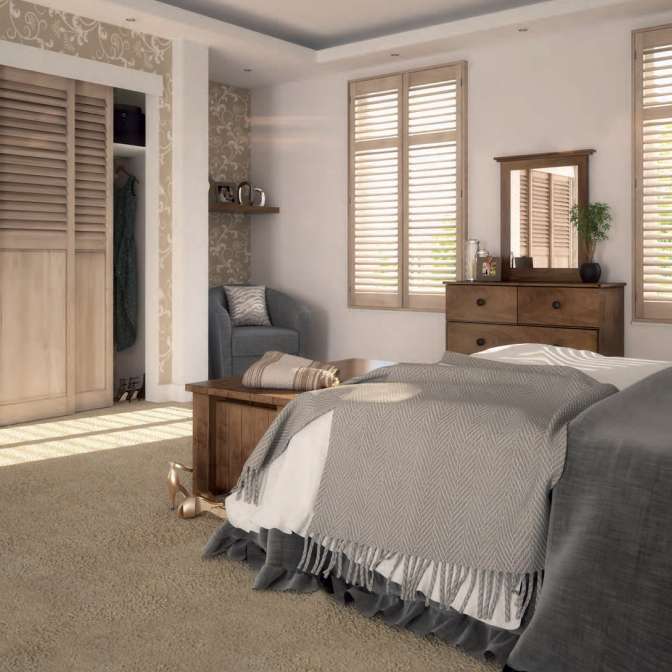
Bedrooms place greater emphasis on privacy, warmth and light control. Blackout blinds are often the most practical option where complete darkness is needed, especially in children’s bedrooms or properties affected by street lighting.
Shutters work well in bedrooms where insulation and privacy are a priority, but they may need to be paired with a blackout blind or curtain if full light exclusion is essential. For many homeowners, the choice comes down to whether flexibility or long-term comfort matters most.
Kitchen & Bathroom
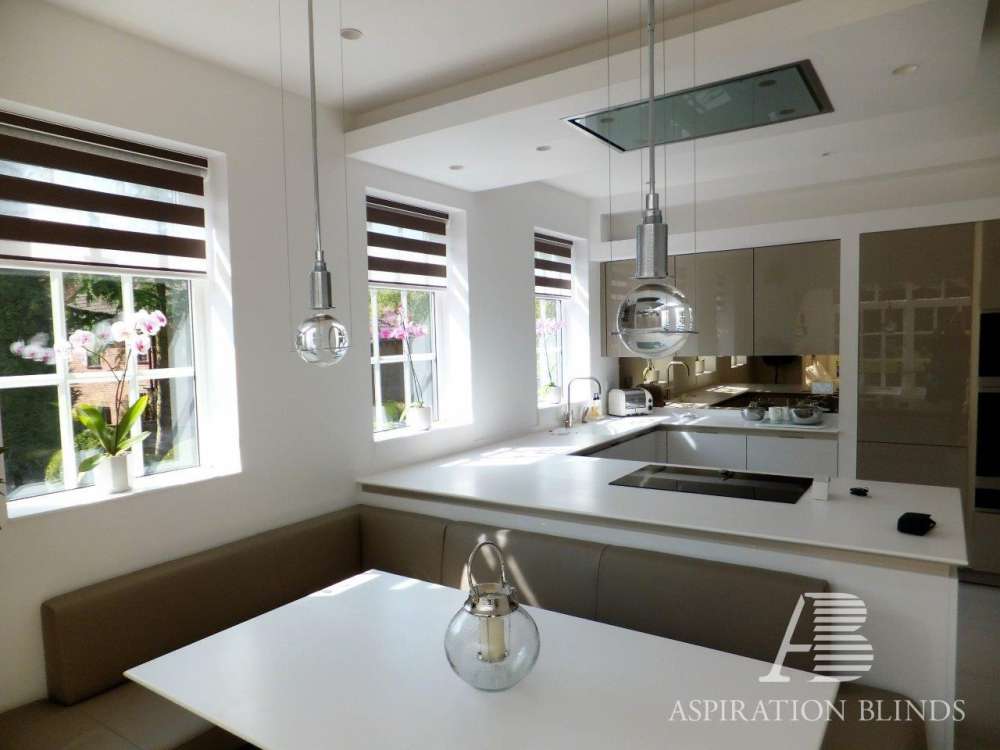
Moisture is the key consideration in kitchens and bathrooms. Waterproof shutters made from ABS or similar materials are a popular choice, as they are resistant to humidity, easy to wipe clean and won’t warp over time.
Moisture-resistant blinds, such as aluminium Venetian or specially treated roller blinds, can also work well and are often more cost-effective.
In commercial kitchens or washrooms, ease of cleaning and durability tend to favour shutters, while blinds suit smaller or less exposed spaces.
Bay Windows
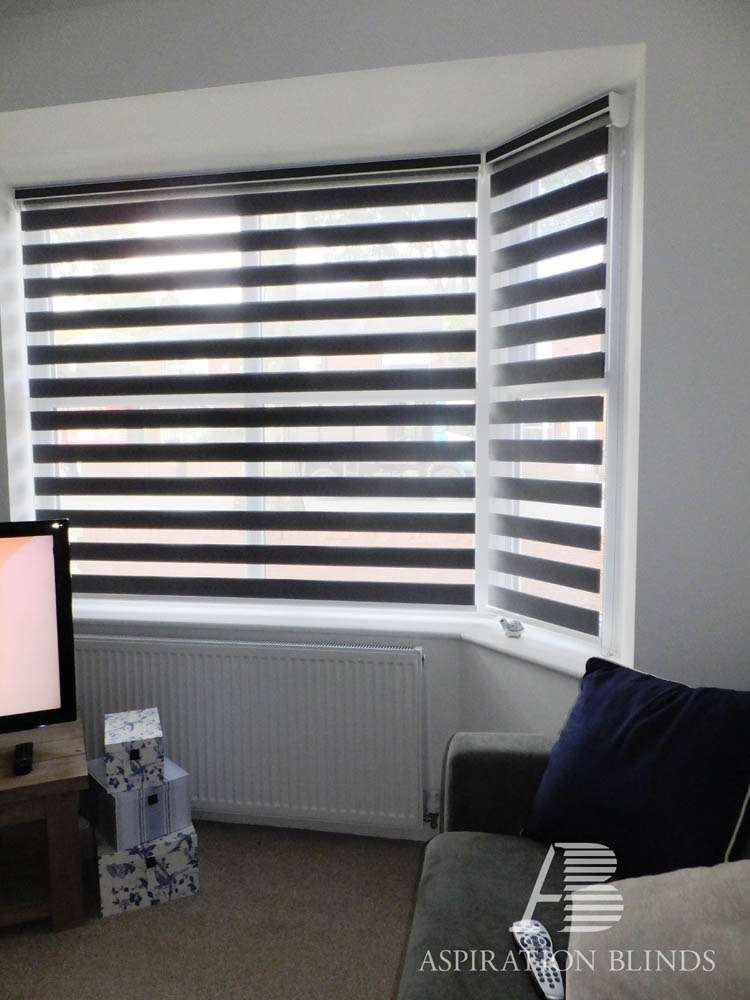
Bay windows often benefit from the structure and symmetry that shutters provide. Custom-fitted bay shutters follow the angles of the window and create a neat, cohesive finish that works particularly well in period or feature properties.
Venetian blinds can be a better option where flexibility is needed, allowing each section of the bay to be adjusted independently. This can be useful in offices or rooms that receive uneven sunlight throughout the day.
Conservatories & Large Glazed Areas
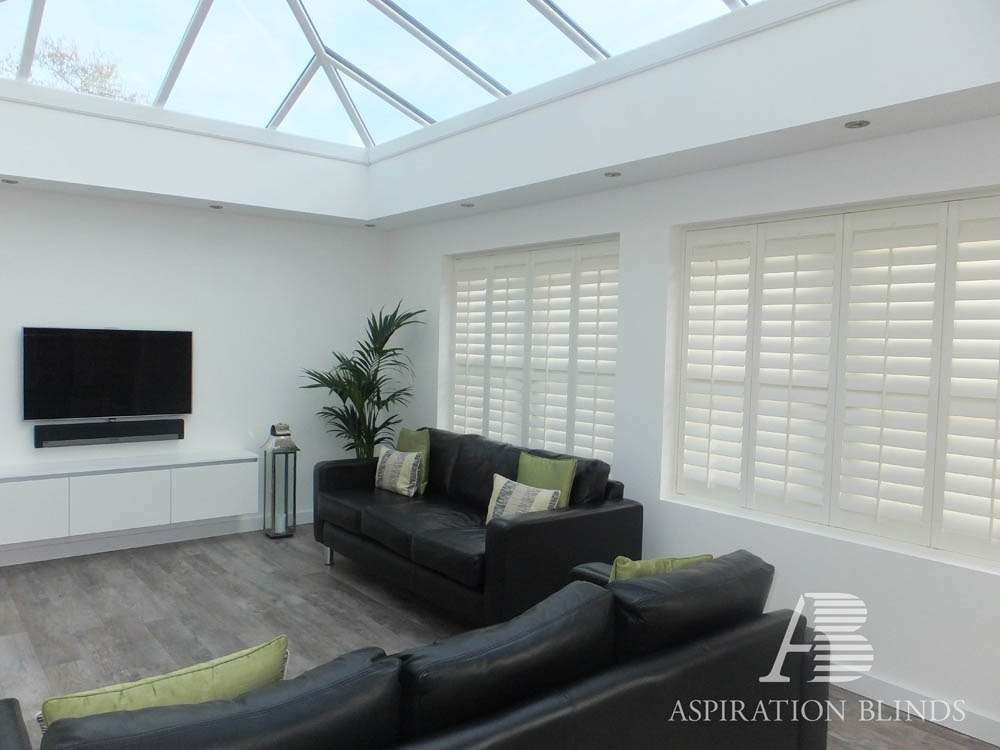
In conservatories and spaces with large areas of glass, heat and glare management are key challenges. Blinds are often preferred here due to their adaptability, lighter appearance and suitability for roof panels and wide openings.
Shutters can still work in some large glazed areas, particularly on doors or side windows, but blinds generally offer more practical control over temperature and light in spaces that experience strong sun exposure.
By considering how each room is used, it becomes much easier to decide whether shutters or blinds will deliver the best balance of comfort, practicality and appearance.
Venetian Blinds or Shutters: Which is better?
When narrowing the choice down to Venetian blinds or shutters, the comparison becomes more focused. Both use adjustable slats to control light and privacy, but they differ significantly in performance, cost and overall appearance.
Light control
Venetian blinds offer very precise light control. The angle of the slats can be adjusted easily throughout the day, allowing you to fine-tune how much light enters the room without fully opening or closing the blind.
Shutters also provide excellent light control, but in a more structured way. The louvres tilt smoothly and hold their position well, making them ideal for maintaining consistent light levels, particularly in rooms used for work or relaxation.
Privacy
Both options perform well for privacy. Venetian blinds allow you to block direct views while still letting light filter through, which is useful in overlooked rooms or commercial settings.
Shutters provide a stronger sense of privacy, especially when closed, as the solid panels sit flush within the window frame. This can feel more secure and enclosed, particularly on ground-floor windows.
Cost
In most cases, Venetian blinds are the more budget-friendly option. They are widely available in aluminium, wood and faux wood finishes, making them accessible for both residential and commercial projects.
Shutters typically involve a higher upfront cost due to bespoke manufacturing and professional installation. However, their durability and longevity can offset this over time.
Cleaning and maintenance
Venetian blinds require regular cleaning, as dust can collect on the slats. While aluminium and faux wood Venetians are easy to wipe down, wooden versions need a little more care.
Shutters are generally easier to maintain. The solid panels and wide louvres can be cleaned quickly with a cloth, making them a practical choice for busy households and commercial spaces.
Modern vs classic aesthetics
Venetian blinds suit modern, minimalist interiors and are often chosen for offices, kitchens and contemporary homes. They offer a clean, functional look that works well in practical spaces.
Shutters lean more towards a classic, architectural finish. They complement both traditional and modern interiors but tend to create a more premium, built-in appearance.
When Venetian blinds win
- Budget is a key factor
- You want maximum flexibility in light control
- The space benefits from a lighter, less permanent window covering
When Shutters Win
- Insulation and temperature control are priorities
- You’re looking for a long-term solution with a premium finish
- Ease of cleaning and durability matter more than upfront cost
Ultimately, choosing between shutters or Venetian blinds depends on whether flexibility or permanence better suits your space and how you plan to use it day to day.
Cost Comparison: Are Shutters or Blinds More Expensive?
When comparing shutters or blinds, cost is one of the first questions most homeowners and business owners ask.
The answer isn’t simply one being universally cheaper than the other, it depends on materials, size of the window, complexity of the design and the long-term value you’re aiming for.
Upfront spend vs Long-term value
Generally, blinds require a lower upfront spend than shutters. Basic roller, pleated or Venetian blinds are cost-effective to manufacture and install, and the wide range of materials and styles means there’s often a good option no matter your budget.
Shutters, on the other hand, are a bespoke, fitted solution. They are measured to suit each window precisely and built from solid panels.
Because of this tailored approach, the initial cost will typically be higher than for blinds. The price reflects custom manufacturing, the materials used and the time needed for professional installation.
However, shutters also offer long-term value. They are durable and designed to last for many years with minimal maintenance.
In spaces where insulation, frequent handling or longevity matter, such as living rooms, offices, bedrooms or commercial reception areas, shutters can represent better value over time.
Blinds may need replacing more frequently, particularly in high-use areas or where fabrics are exposed to sunlight, moisture or heavy wear.
Cost-effectiveness Based on Room Usage
How you use a room can change the value proposition between blinds and shutters:
- Low-use or temporary spaces: Blinds are often more cost-effective where durability is less of a priority, such as guest rooms, certain office areas or short-term lets.
- High-use rooms: In kitchens, living rooms, boardrooms or hospitality spaces, the durability and low-maintenance nature of shutters can make them more economical in the long run.
- Moisture-prone areas: Bathrooms and commercial washrooms may benefit from moisture-resistant blinds or waterproof shutters. In these cases, comparing long-term performance rather than just the initial cost will give a clearer picture of overall value.
Getting an accurate quote
Because costs vary so much by window size, style and material, the most reliable way to judge price is to get a tailored quote.
Aspiration Blinds can visit your property, measure your windows and provide accurate pricing for both shutters and blinds. That way you can see side-by-side costs for the options you’re considering and make an informed choice that fits your budget and design goals.
This comparison should help set expectations around shutters vs blinds costs, focusing not just on the initial investment but on how each option delivers value over time.
Maintenance & Durability
When choosing between shutters vs blinds, maintenance and durability are important factors that affect ongoing satisfaction, performance and long-term cost.
Which Lasts Longer
Shutters are generally the more durable option. Because they are made from solid panels and fitted directly into the window frame, they tend to withstand everyday use for many years with minimal wear.
Quality shutters can remain effective and visually appealing for a decade or more, even in high-traffic areas.
Blinds, while practical and versatile, typically have a shorter lifespan. Fabric blinds and lightweight slat styles may show signs of wear sooner, particularly in spaces with frequent daily use or strong sunlight.
Over time, strings, mechanisms and materials can require more frequent replacement compared with shutters.
Which is Easier to Clean
Cleaning is a practical consideration that quickly highlights a key difference between the two options:
Shutters The solid panels and wider louvres make shutters straightforward to clean. A simple wipe with a damp cloth is usually enough to remove dust and grime.
Because they are fitted and have fewer intricate parts, they tend to collect less debris and are easier to maintain in the long run.
Blinds – Different blind styles require different cleaning approaches. Venetian and vertical blinds can accumulate dust on each slat, requiring individual cleaning.
Fabric blinds may need brushing, vacuuming or specialist treatment for stains. In spaces with heavy dust, moisture or frequent use, the cleaning effort can be noticeably higher.
Long-Term Wear, Fading and Moisture
Wear and fading:
Shutters are less susceptible to fading because they are often finished with stable paints or stains.
Blinds, especially fabric options, can fade over time under prolonged sun exposure. UV light can weaken fabrics and cause colours to shift, shortening the useful life of some blind styles.
Moisture considerations:
Moisture can affect both blinds and shutters, but materials make the difference. Wooden blinds may warp or discolour in humid environments if not specifically treated.
In contrast, water-resistant or waterproof shutters, such as those manufactured from ABS or specialised composites, hold up well in bathrooms, kitchens and other moisture-prone spaces.
In practical terms, shutters tend to be more robust and easier to maintain over the long term, especially in spaces where cleaning is important or environmental conditions are challenging.
Blinds remain a strong option in spaces where style, variety and flexibility are priorities, but they do require a bit more attention to remain looking their best.
Still unsure? When each option makes the most sense
If you’re still weighing up shutters vs blinds, these simple guidelines can help clarify which option is likely to suit your space best.
Shutters are ideal when…
- You want a long-term, built-in solution that feels part of the property
- Insulation, temperature control and privacy are high priorities
- The room is used frequently and needs a durable, low-maintenance finish
- You have bay windows or shaped windows that benefit from a bespoke fit
- Creating a premium look is more important than keeping initial costs down
Blinds are ideal when…
- You’re working to a tighter budget or fitting out multiple rooms
- Flexibility in light control is important throughout the day
- The space suits softer finishes or needs to be layered with curtains
- You’re covering large glazed areas, roof windows or doors
- You want a practical, stylish solution with quicker installation
Both options are strong choices, the right one depends on how the room is used, the level of finish you want and how long you expect the solution to last.
Ready to choose your shutters or blinds?
If you’d like tailored advice, Aspiration Blinds offers a free, no-obligation consultation to help you decide with confidence. Their team will visit your property, take accurate measurements and talk you through the most suitable options for your space.
You’ll also be able to view samples, finishes and styles in person, ensuring the final choice works both practically and visually.
Whether you’re leaning towards shutters or blinds, a professional consultation removes the guesswork and gives you a clear picture of cost, timescales and the best solution for your needs.