


Roller blinds are one of the most popular window coverings in UK homes, valued for their simplicity, practicality, and clean appearance. But many homeowners still ask: how do roller blinds work?
Although they look straightforward from the outside, there’s a clever mechanism working behind the scenes. Understanding how roller blinds work can help you operate them correctly, spot potential issues early, and choose the right type for your home.
In this guide, we’ll provide a clear roller blind mechanism explained, explore the different systems available, break down the key roller blind parts and functions, and share practical tips for maintenance and care.
How Do Roller Blinds Work?
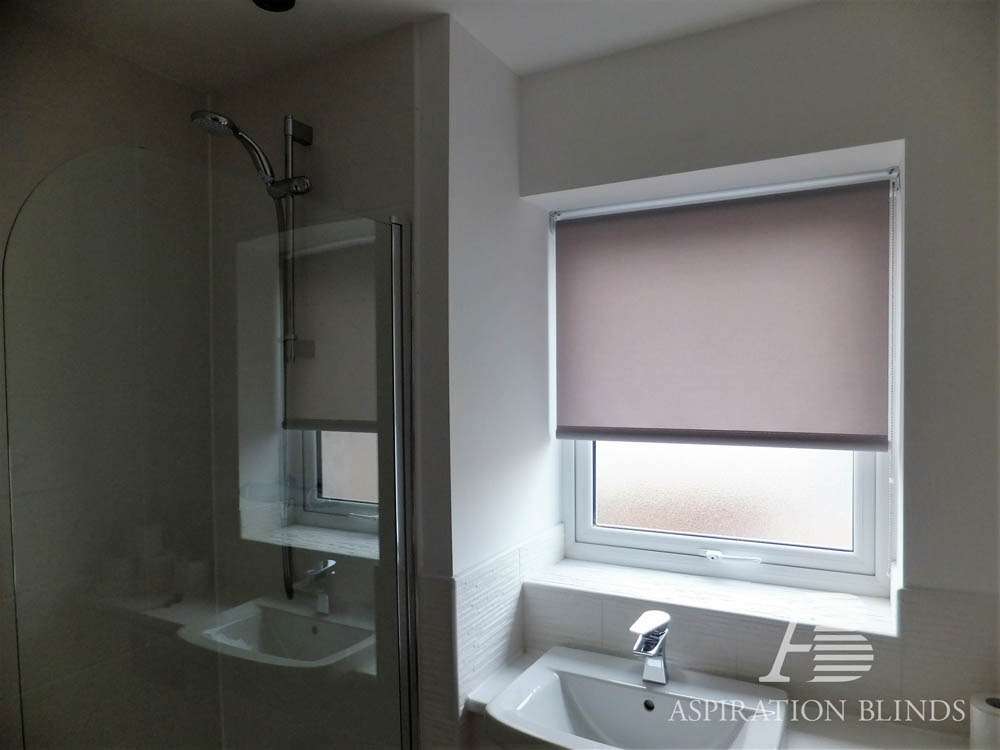
At their core, roller blinds operate using a simple but effective principle: fabric wrapped around a rotating tube.
When you lower the blind, the fabric unrolls from the tube. When you raise it, the fabric rolls neatly back around it. This rolling action is controlled by a mechanism fitted inside or attached to one end of the tube.
Inside a Roller Blind Mechanism
If you were to look inside a roller blind mechanism, you’d typically find:
- A hollow aluminium tube (also called the barrel)
- A clutch or spring system inserted into one end
- A control system (chain, spring tension, or motor)
In most modern blinds, especially made-to-measure designs, a sidewinder clutch mechanism is used. This allows smooth, controlled movement when you pull the chain.
Roller Blind Parts and Functions
To fully understand the roller blind mechanism explained, it helps to break down the key components.
Tube (Barrel)
The central aluminium tube holds the fabric and rotates when the blind is operated. Strong, well-made tubes prevent sagging and uneven rolling.
Fabric
The fabric wraps around the tube and provides light control and privacy. Options include:
- Blackout fabrics
- Light-filtering fabrics
- Sunscreen fabrics
Clutch or Sidewinder Mechanism
This is the core control system in chain-operated blinds. It converts the pulling motion of the chain into rotational movement of the tube.
Chain or Cord Loop
Used to manually raise and lower the blind. Modern installations include child safety tension devices for compliance with UK regulations.
Spring Mechanism (in spring blinds)
Instead of a chain, tension inside the spring controls the movement when pulled and released.
Bottom Bar
A weighted bar sewn into the bottom of the fabric to keep it hanging straight and help guide smooth rolling.
Brackets
Fitted to the wall, ceiling, or window recess to hold the blind securely in place.
Each of these roller blind parts and functions plays a role in ensuring smooth operation and longevity.
Different Types of Roller Blind Mechanisms
While the overall concept remains the same, there are several variations in how roller blinds operate.
Chain-Operated Roller Blinds
This is the most common type found in UK homes.
A continuous loop chain connects to a sidewinder clutch mechanism. When you pull the chain, the tube rotates in a controlled manner.
Benefits:
- Smooth, precise control
- Easy to stop at any height
- Durable and reliable
This system is often used in professionally fitted, made-to-measure blinds.
Spring-Loaded Roller Blinds
Spring-operated blinds do not use a chain. Instead, a tensioned spring inside the tube controls movement.
You pull the blind down to your desired height and release it slightly to lock it in place. To raise it, you give it a gentle tug and allow the spring to retract it upwards.
While simple, these mechanisms can wear over time if tension weakens.
Motorised Roller Blinds
Motorised systems replace manual control with an internal electric motor.
These blinds can be operated by:
- Remote control
- Wall switch
- Smartphone app
- Smart home systems
Inside a motorised roller blind mechanism, the motor drives the rotation of the tube electronically, offering smooth, effortless operation.
Motorised options are increasingly popular in modern homes and larger window installations.
How to Operate Roller Blinds Safely and Correctly
Knowing how to operate roller blinds properly can extend their lifespan.
For Chain-Operated Blinds:
- Pull the chain gently rather than sharply
- Avoid forcing the blind if it feels stiff
- Ensure the chain tension device is securely fixed for safety
For Spring Blinds:
- Pull the blind down evenly
- Avoid letting it snap back quickly
- Don’t overextend beyond its intended drop
For Motorised Blinds:
- Use the remote or app controls
- Avoid manually pulling the fabric
- Replace batteries or service motors when required
Correct operation helps protect the internal mechanism and keeps everything running smoothly.
Common Roller Blind Problems & Quick Fixes
Even quality blinds can experience minor issues over time. Understanding what’s happening inside a roller blind mechanism makes troubleshooting easier.
Blind Won’t Roll Up
Often caused by:
- Spring tension loss
- Chain mechanism wear
- Tube misalignment
Fabric Rolling Unevenly
Usually due to:
- Incorrect installation
- Fabric not centred on the tube
- Brackets not level
Chain Sticking or Slipping
This may indicate:
- Worn clutch mechanism
- Dust build-up
- Chain damage
In many cases, components can be repaired or replaced rather than needing a full blind replacement.
Roller Blind Maintenance Tips
Regular maintenance keeps your blinds looking good and functioning properly.
1. Dust Regularly
Use a soft cloth, duster, or vacuum with brush attachment.
2. Spot Clean Fabric
Use mild detergent and a damp cloth. Always check fabric care instructions first.
3. Check Brackets
Ensure fittings remain tight and secure.
4. Avoid Forcing the Mechanism
If something feels resistant, investigate rather than pulling harder.
5. Service Motorised Systems
Replace batteries when needed and check motor responsiveness periodically.
Good-quality blinds that are professionally measured and fitted typically require minimal maintenance beyond routine cleaning.
When to Repair vs Replace a Roller Blind
Sometimes a simple repair will solve the issue. Other times, replacement is the more practical option.
Repair May Be Suitable If:
- The chain or clutch mechanism is worn
- The spring needs retensioning
- Brackets need refitting
Replacement May Be Better If:
- The fabric is damaged or heavily faded
- The tube has warped
- The mechanism is outdated or repeatedly failing
If you’re unsure, a professional assessment can determine whether a quick fix is possible or whether upgrading to a new, made-to-measure blind would provide better long-term value.
Looking for High-Quality Roller Blinds?
Understanding how roller blinds work is helpful, but choosing the right blind for your space is just as important as knowing what’s inside the mechanism.
At Aspiration Blinds, we supply and install made-to-measure roller blinds designed for smooth operation, long-term durability, and a perfect fit. Whether you’re interested in classic chain-operated blinds, modern spring systems, or fully motorised options, our team will guide you through the best solution for your home.
We’ll explain the different roller blind parts and functions, talk you through the available fabrics, from blackout to light-filtering, and ensure your blinds are professionally measured and installed for flawless performance.
If you’re upgrading existing blinds, dealing with a faulty mechanism, or simply exploring your options, we’re here to help.
Book your free home consultation with Aspiration Blinds today and discover roller blinds that look great, operate smoothly, and are built to last.