


Roman blinds are a timeless window dressing that combine the softness of fabric with the clean lines of a blind. Elegant yet practical, they create neat horizontal folds when raised and a smooth, tailored finish when lowered, making them a popular choice for both modern and traditional homes.
If you’re considering Roman blinds for your space, this guide covers everything you need to know, from how they work and which fabrics to choose, to lining options, fitting styles, and where they work best.
What Are Roman Blinds?
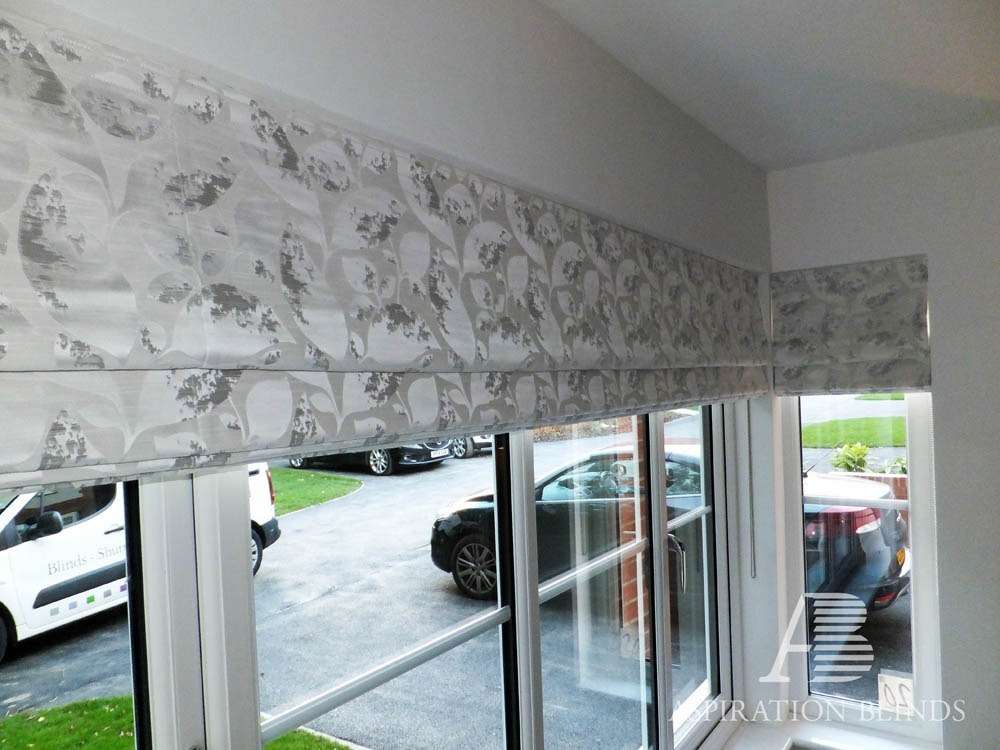
Roman blinds are fabric window coverings made from a single panel of material that folds into neat horizontal pleats when raised and lies flat when lowered. Unlike slatted blinds, they don’t tilt. Instead, they lift upwards in structured sections.
They offer a balance between the softness of curtains and the streamlined look of a blind. When fully down, they provide a smooth, tailored finish. When raised, they create layered folds that add texture and depth to a room.
Because they are made from fabric, Roman blinds are available in a wide range of colours, patterns, and textures. From subtle neutrals to bold statement prints, they can be tailored to complement almost any interior style.
Why Choose Roman Blinds Over Curtains or Roller Blinds?
Compared to curtains, Roman blinds take up less space and offer a more structured, fitted appearance.
Compared to roller blinds,Roman blinds provide more texture and a softer, more decorative finish.
They’re ideal if you want something that feels furnished and elegant, without the bulk of full-length curtains.
How Do Roman Blinds Work?
At first glance, Roman blinds look simple, but the mechanism behind them is carefully designed to create those neat, even folds.
Roman Blind Mechanism Explained
Roman blinds operate using a system of cords and horizontal support rods sewn into the back of the fabric.
Here’s how they work:
- Horizontal dowels or rods are stitched into channels across the blind at regular intervals.
- Small rings are sewn vertically along the back lining.
- Cords run through these rings and connect to a headrail mechanism at the top.
- When the blind is raised, the cords pull evenly, causing the fabric to fold upwards in sections.
- When lowered, the fabric falls back into a smooth, flat panel.
The cords are controlled by either:
- A sidewinder chain mechanism (similar to a roller blind), or
- A cord lock system that holds the blind in position.
Modern Roman blinds are often chain-operated for smoother control and improved safety compliance. Motorised Roman blinds are also available, allowing you to raise and lower them at the touch of a button.
This clever system allows Roman blinds to stop at any height, giving you flexible control over light and privacy.
Types of Roman Blinds (Design Styles)
Not all Roman blinds look the same. The way the fabric folds can vary depending on the style you choose.
Flat Roman Blinds
Flat Roman blinds create clean, structured folds when raised and a completely flat surface when lowered.
They are ideal for:
- Patterned fabrics
- Contemporary interiors
- Showcasing bold designs
Because the fabric lies smooth, patterns remain clearly visible.
Classic (Soft Fold) Roman Blinds
This is the most traditional style. When raised, the folds form soft, slightly rounded pleats.
They work well in:
- Living rooms
- Bedrooms
- Period properties
This style adds warmth and texture while maintaining a tailored appearance.
Relaxed Roman Blinds
Relaxed Roman blinds have a gentle curve or dip along the bottom edge when lowered. They create a more informal, decorative look.
Best suited for:
- Cottage-style interiors
- Traditional spaces
- Rooms where softness is preferred over structure
Motorised Roman Blinds
Motorised Roman blinds operate via remote control, wall switch, or smart home integration.
They are ideal for:
- Large or tall windows
- Hard-to-reach areas
- Modern homes
Motorisation also removes the need for visible cords or chains, creating a cleaner finish.
Choosing the Right Fabric
Fabric choice plays a major role in how your Roman blinds look and perform.
How Fabric Weight Affects the Fold
- Lightweight fabrics (such as cotton or linen blends) create slimmer, more delicate folds and stack neatly at the top.
- Medium-weight fabrics provide structure and well-defined pleats.
- Heavier fabrics (like velvet or chenille) produce deeper, softer folds and a more luxurious appearance.
The heavier the fabric, the larger the stacked depth will be when the blind is raised.
Best Fabrics for Roman Blinds
Some of the most suitable options include:
- Cotton and cotton blends
- Polyester blends
- Linen and linen mixes
- Jacquards and damasks
- Velvet (for a richer finish)
These materials provide enough structure to fold neatly while maintaining durability.
Fabrics to Avoid
Certain materials can compromise performance:
- Stretch or knit fabrics that distort over time
- Pure silk in humid environments
- Very stiff upholstery-grade fabrics
- PVC, vinyl, or coated materials
- Very sheer fabrics that reveal the lining underneath
Choosing the right fabric ensures your blinds maintain their shape and operate smoothly for years to come.
The Importance of Lining Options
The lining of a Roman blind is just as important as the face fabric. It improves structure, enhances performance, and extends the life of the blind.
Standard Lining
A standard lining:
- Adds stability
- Conceals internal stitching and rings
- Protects the main fabric from sun exposure
This is suitable for most living spaces where full blackout isn’t required.
Blackout Lining
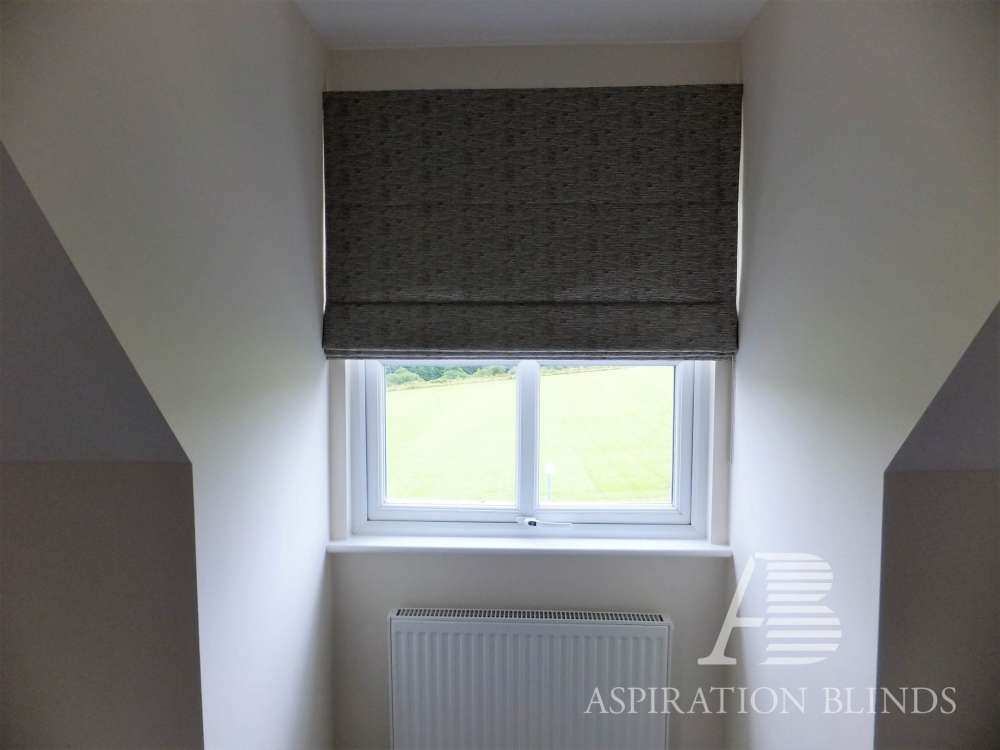
Blackout lining significantly reduces light penetration, making it ideal for bedrooms and nurseries.
It also:
- Improves privacy
- Reduces glare
- Adds some thermal benefit
Keep in mind that blackout lining increases the thickness of the blind and slightly increases stack depth.
Thermal Lining
Thermal linings help regulate room temperature by:
- Reducing heat loss in winter
- Limiting solar gain in summer
This can improve comfort and energy efficiency, especially on older windows.
Interlining (Premium Option)
Interlining is an additional layer placed between the face fabric and the lining.
It:
- Adds body and fullness
- Creates deeper, more luxurious folds
- Enhances insulation
This option is often chosen for high-end interiors or statement windows.
Where Can Roman Blinds Be Used?
One of the biggest advantages of Roman blinds is their versatility. With the right fabric and lining choice, they can work beautifully in most rooms throughout the home.
Living Rooms
Roman blinds are particularly popular in living rooms, where they create a polished and furnished look. Patterned or textured fabrics can act as a focal point, while neutral tones offer understated elegance. They also pair well with curtains for added softness and insulation.
Bedrooms
In bedrooms, Roman blinds provide both style and practicality. When combined with a blackout lining, they help block early morning light and improve sleep quality. For a layered look, many homeowners choose Roman blinds alongside curtains or voiles.
Dining Rooms & Home Offices
Roman blinds add structure without overwhelming the space, making them ideal for dining rooms and home offices. They offer privacy while still allowing natural light to filter in when partially raised.
Kitchens
Roman blinds can work well in kitchens, provided they are positioned away from direct heat and heavy moisture. Choosing a durable, easy-clean fabric is important in this environment. For windows above sinks or near cooking areas, alternative blind styles may sometimes be more practical.
Bathrooms
In bathrooms, ventilation is key. Roman blinds can be used in well-ventilated spaces with moisture-resistant fabrics, but in high-condensation environments, water-resistant blind options may be more suitable.
Ultimately, fabric choice and placement determine how well Roman blinds perform in each room.
Made-to-Measure vs Ready-Made Roman Blinds
When choosing Roman blinds, one of the key decisions is whether to opt for ready-made or made-to-measure.
Ready-Made Roman Blinds
Ready-made blinds can work well if:
- Your windows are standard sizes
- You are working to a tighter budget
- You need a quicker solution
However, they may not provide an exact fit, and pattern alignment can sometimes be inconsistent.
Made-to-Measure Roman Blinds
Made-to-measure Roman blinds offer several advantages:
- A precise fit for your window
- Accurate pattern matching
- Improved light control
- A more professional finish
- Smoother operation
They are especially beneficial for:
- Bay windows
- Large or unusually shaped windows
- Recesses with limited depth
A properly measured and professionally fitted Roman blind reduces gaps, avoids uneven stacking, and ensures the mechanism operates smoothly.
Inside vs Outside Recess Fitting
Roman blinds can be fitted either inside the window recess or outside it. The right choice depends on your space, style preference, and light control requirements.
Inside Recess Fitting
Fitting inside the recess creates a neat, built-in look. It’s ideal for:
- Modern interiors
- Deep window recesses
- A minimalist appearance
However, small gaps at the edges may allow some light to filter through — particularly with blackout fabrics.
Outside Recess Fitting
Mounting outside the recess means the blind sits above and slightly wider than the window frame.
Benefits include:
- Better light coverage
- Reduced light bleed
- Windows appearing larger
This option is often preferred for bedrooms or where maximum blackout is desired. It’s also useful if your recess depth is too shallow to accommodate the headrail.
Careful measuring is essential for both fitting styles to ensure smooth operation and a balanced appearance.
Roman Blind Maintenance & Care
Roman blinds are relatively low-maintenance, but regular care will help preserve both their appearance and mechanism.
Dusting and Cleaning
- Lightly vacuum with a soft brush attachment
- Use a lint roller for surface dust
- Spot clean stains with mild detergent (always check fabric guidance)
Delicate or high-end fabrics may require professional cleaning.
Preventing Sun Damage
Direct sunlight can fade fabrics over time. Using a lining helps protect the face fabric and extend the lifespan of the blind.
With proper care and quality materials, Roman blinds can remain both functional and visually appealing for many years.
Discover Beautiful Made‑to‑Measure Roman Blinds with Aspiration Blinds
Choosing the right Roman blinds is about more than just fabric, it’s about getting the perfect fit, the right lining, and a mechanism that operates smoothly for years to come.
At Aspiration Blinds, we specialise in made‑to‑measure Roman blinds tailored precisely to your windows and your interior style. Whether you’re looking for a soft, classic fold for a cosy living room, a blackout option for a restful bedroom, or a statement fabric to elevate your space, our team will guide you through every step, from fabric selection to professional installation.
We’ll help you:
- Choose the ideal fabric weight and lining
- Decide between inside or outside recess fitting
- Ensure accurate measuring for a flawless finish
- Select safe, reliable operating systems
The result? Roman blinds that look elegant, function beautifully, and are crafted to last.
Book your free home consultation with Aspiration Blinds today and let us help you transform your windows with expertly made Roman blinds designed around your home.