


Vertical blinds have remained one of the most popular window coverings for decades, offering a practical combination of light control, privacy and versatility.
In this buyer's guide, we'll explain everything you need to know about vertical blinds, including how they work, the different types available, how to measure, clean and maintain them, what they typically cost, and how to choose the best vertical blinds for your home.
What Are Vertical Blinds?
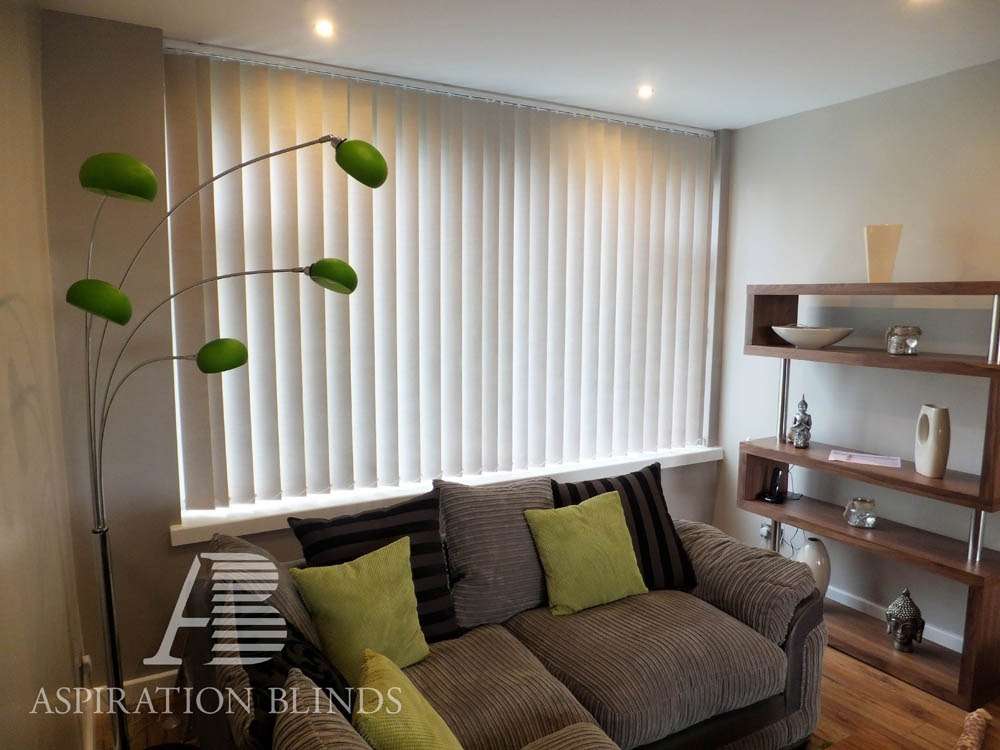
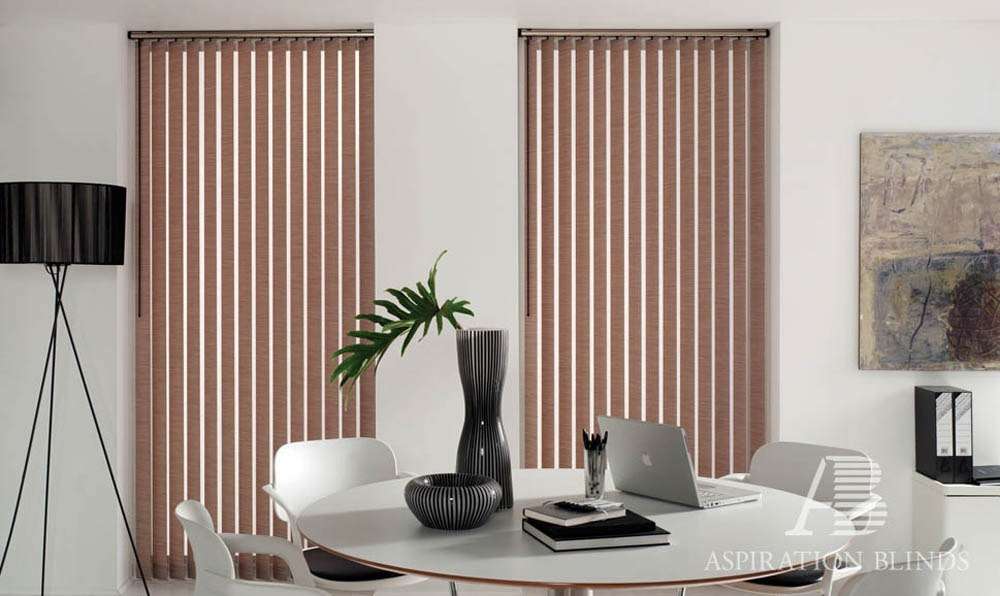
Vertical blinds are a window covering made up of individual fabric or PVC slats, known as louvres, which hang vertically from a headrail fitted above the window or door.
Unlike roller blinds or Roman blinds that raise and lower as one piece, each louvre can be rotated to control the amount of light entering the room. The entire blind can also be drawn to one side, or split to either side depending on the design, allowing full access to the window or door behind it.
This makes vertical blinds particularly well suited to larger windows and patio doors, where flexibility is important. Rather than completely opening or closing the blind, you can adjust the angle of the louvres throughout the day to reduce glare, increase privacy or allow more natural light into the room.
Available in a wide range of colours, fabrics and specialist materials, vertical blinds can be tailored to suit everything from modern homes to commercial buildings.
How Do Vertical Blinds Work?
Vertical blinds operate using a simple mechanism. The headrail houses a track that allows each louvre to move smoothly across the window. A control mechanism lets you rotate the slats to adjust the amount of light entering the room, while a separate control allows the entire blind to slide open or closed.
This means you can:
- Fully close the louvres for maximum privacy.
- Angle the louvres to reduce glare while still allowing daylight into the room.
- Open the blinds completely to expose the full window or doorway.
- Stack the louvres neatly to one or both sides, depending on the configuration.
Because the slats move independently, vertical blinds offer a level of light control that's difficult to achieve with many other window coverings, making them a popular choice for rooms that receive strong sunlight throughout the day.
Why Choose Vertical Blinds?
Vertical blinds remain one of the most versatile blind styles available, making them suitable for both residential and commercial properties. Some of the main benefits include:
Excellent Light Control
The rotating louvres allow you to adjust how much sunlight enters the room without needing to fully open or close the blind. This makes it easy to reduce glare while still enjoying natural daylight.
Ideal for Large Windows and Patio Doors
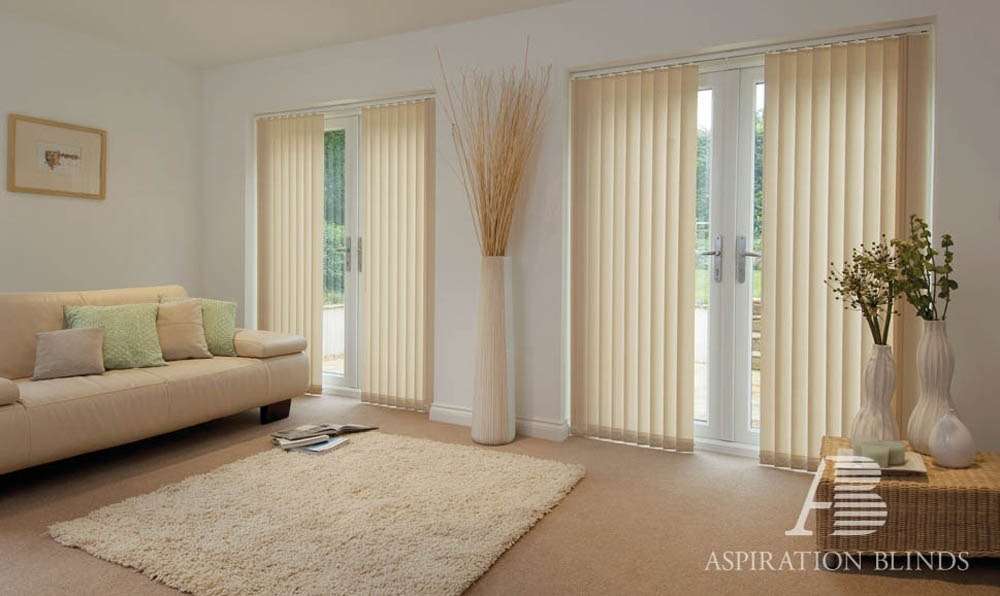
Vertical blinds are particularly effective on wide windows, sliding doors and French doors. Because the louvres slide neatly to the side, they provide easy access without the bulk of heavier window coverings.
A Wide Choice of Fabrics
Modern vertical blinds are available in a huge variety of materials, colours and textures. Whether you're looking for a contemporary neutral finish, a bold statement colour or a practical blackout fabric, there's an option to suit almost every room.
Easy to Maintain
Unlike some fabric window coverings that require specialist cleaning, most vertical blinds are relatively simple to keep looking their best. Regular dusting and the occasional wipe with a damp cloth are usually enough to keep them clean, while individual louvres can often be removed if more thorough cleaning is required.
Suitable for Homes and Businesses
Vertical blinds are just as popular in offices, schools and healthcare settings as they are in homes. Their clean appearance, practical operation and flexibility make them suitable for almost any environment.
Types of Vertical Blinds
One of the biggest advantages of vertical blinds is the variety of materials and fabrics available. Rather than one style suiting every room, different types of vertical blinds are designed to meet different practical needs.
Fabric Vertical Blinds
Fabric vertical blinds are the most common option and are suitable for most living spaces. Available in hundreds of colours, patterns and textures, they provide a softer appearance than PVC while offering excellent flexibility over light and privacy.
They're a popular choice for living rooms, dining rooms, home offices and conservatories where balancing natural light with privacy is often the priority.
Blackout Vertical Blinds
Blackout vertical blinds are designed to reduce the amount of outside light entering a room, making them particularly popular in bedrooms, nurseries and media rooms.
While no blind can usually eliminate every trace of light due to small gaps around the edges, blackout fabrics can significantly darken a room and help reduce glare during bright mornings or sunny afternoons.
Light-Filtering Vertical Blinds
If you want to maintain a bright, airy feel without allowing direct sunlight to flood the room, light-filtering fabrics offer an excellent balance.
Rather than completely blocking daylight, these fabrics gently diffuse sunlight as it passes through the material, helping reduce harsh glare while creating a softer, more comfortable environment.
They're particularly well suited to living rooms, dining rooms and home offices where maintaining natural light is often desirable.
PVC Vertical Blinds
PVC vertical blinds provide a highly practical solution for rooms where moisture or frequent cleaning is a consideration.
Because the material is waterproof and easy to wipe clean, they're commonly fitted in kitchens, bathrooms and utility rooms where fabric blinds may not be the most suitable option.
They're also resistant to humidity, helping maintain their appearance in areas where condensation is common.
Commercial Vertical Blinds
Vertical blinds continue to be one of the most popular choices for commercial properties thanks to their practicality and professional appearance.
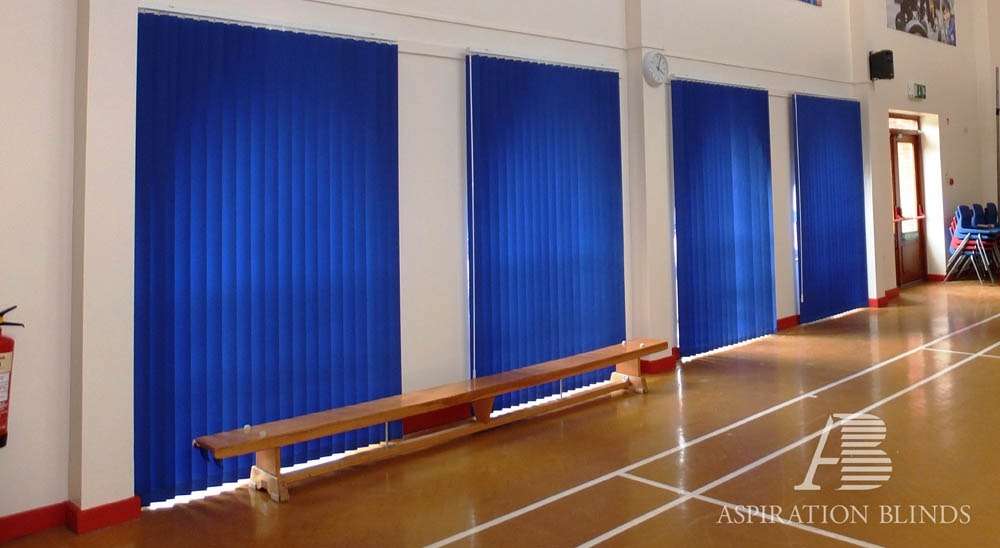
They're commonly installed in offices, schools, healthcare settings and public buildings, where they provide effective light control, privacy and a clean, functional finish. Many commercial fabrics are also available with additional performance features, such as flame-retardant or antimicrobial properties, depending on the environment they're being used in.
Where Are Vertical Blinds Best Used?
One of the reasons vertical blinds have remained so popular is their versatility. They're suitable for a wide range of window sizes and room types, offering practical light control while complementing both modern and traditional interiors.
Living Rooms
Vertical blinds are an excellent choice for living rooms, particularly those with large windows or patio doors. The adjustable louvres make it easy to manage natural light throughout the day, reducing glare on televisions and screens without making the room feel dark.
With a huge range of fabrics and colours available, they can also become a subtle design feature that ties the room together.
Bedrooms
For bedrooms, many homeowners choose blackout vertical blinds to help create a darker sleeping environment. They can help reduce early morning sunlight while still allowing you to adjust the louvres to let natural light in when you want it.
Lighter fabrics are also available if complete blackout isn't necessary and you'd simply like more control over privacy and brightness.
Kitchens and Bathrooms
Moisture-resistant PVC vertical blinds are particularly well suited to kitchens and bathrooms, where humidity and splashes are more common.
They're easy to wipe clean, resistant to moisture and provide a practical alternative to fabric window coverings in areas that require regular cleaning.
Conservatories
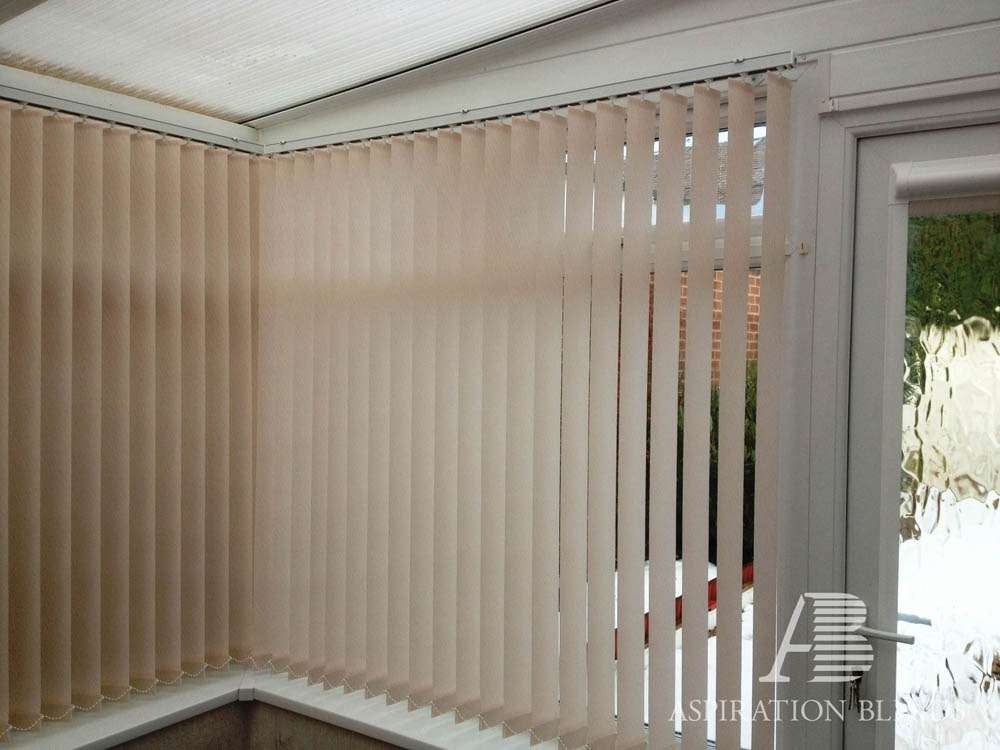
Conservatories can experience significant changes in sunlight throughout the day, making flexible light control particularly important.
Vertical blinds allow you to angle the louvres as the sun moves, helping reduce glare while maintaining a bright, comfortable space.
Offices and Commercial Buildings
Vertical blinds remain one of the most common choices for offices, schools and healthcare environments.
Their clean appearance, ease of operation and excellent light control make them ideal for professional settings, particularly on larger windows where other blind styles may be less practical.
Made-to-Measure vs Ready-Made Vertical Blinds
When buying vertical blinds, one of the biggest decisions is whether to choose ready-made blinds or invest in made-to-measure blinds.
While ready-made blinds can be suitable in some situations, they're designed to fit standard window sizes rather than your exact measurements. This can result in larger gaps around the edges, less effective light control and a finish that doesn't always look as neat as it could.
Made-to-measure vertical blinds are manufactured specifically for your windows, creating a cleaner, more tailored appearance while ensuring they operate smoothly.
Some of the benefits of choosing made-to-measure vertical blinds include:
- A precise fit for your windows.
- Improved light control with fewer gaps around the edges.
- A wider choice of fabrics, colours and finishes.
- A more professional appearance.
- Expert measuring and installation for complete peace of mind.
At Aspiration Blinds, every vertical blind is made to measure and professionally fitted, ensuring the finished result looks great and performs exactly as it should.
How to Measure for Vertical Blinds
Accurate measurements are essential if you want your vertical blinds to fit properly. Whether you're fitting blinds inside the window recess or outside it, taking careful measurements will help achieve the best possible result.
If you're choosing a professional measuring service, this step is taken care of for you. However, it's useful to understand the process.
Measuring for a Recess Fit
A recess fit means the blind sits inside the window recess, creating a neat, built-in appearance.
To measure:
- Measure the width of the recess in three places: top, middle and bottom.
- Measure the drop on the left, centre and right.
- Use the smallest measurement for both width and drop.
For made-to-measure blinds, the manufacturer or installer will usually make the necessary fitting allowances to ensure the blind operates smoothly within the recess.
Measuring for an Exact Fit
If you want the blind to hang outside the recess, you'll need to measure the exact size of the finished blind rather than the window opening itself.
A good rule of thumb is to allow the blind to overlap the window recess on each side, as well as above and below the window. This helps improve privacy, reduce light entering around the edges and creates a more balanced appearance.
Because every window is different, many homeowners choose a professional measuring service to ensure the finished blind is perfectly sized.
How to Fit Vertical Blinds
Installing vertical blinds is generally straightforward, although the exact fitting process can vary slightly depending on the headrail and bracket system.
In most cases, installation follows these steps:
- Mark and install the mounting brackets.
- Clip the headrail securely into position.
- Hang each louvre onto the carrier hooks.
- Attach the bottom weights to each louvre.
- Connect the stabilising chain between the weights.
- Test that the blind opens, closes and rotates smoothly.
Although confident DIYers may choose to install vertical blinds themselves, professional fitting ensures everything is correctly aligned and operating as intended from day one.
At Aspiration Blinds, every installation includes expert measuring and fitting, helping you achieve the best possible finish without the stress of doing it yourself.
How Much Are Vertical Blinds?
The cost of vertical blinds can vary depending on several factors, so there's no single price that suits every window.
Some of the main factors that affect the overall cost include:
- The size of the window.
- Whether the blinds are made to measure.
- The type of fabric or material chosen.
- Blackout or specialist performance fabrics.
- The complexity of the installation.
- Whether professional measuring and fitting are included.
While ready-made blinds are often less expensive initially, made-to-measure vertical blinds usually offer better long-term value thanks to their precise fit, higher quality materials and professional installation.
The best way to receive an accurate quotation is to arrange a home consultation, where your windows can be measured and different fabric options discussed before providing a tailored price.
How to Clean Vertical Blinds
One of the biggest advantages of vertical blinds is that they're relatively easy to keep clean. Because the louvres hang vertically, they tend to collect less dust than horizontal blinds, making them a practical option for busy households.
Regular maintenance will help keep your blinds looking their best while extending their lifespan.
Dusting Vertical Blinds
For day-to-day cleaning, simply dust the louvres using:
- A microfibre cloth.
- A feather duster.
- A vacuum cleaner with a soft brush attachment.
Working from the top of each louvre downwards helps remove dust without spreading it across the fabric.
Wiping Away Marks
Small marks can often be removed using a soft, damp cloth. Gently wipe the affected area, taking care not to scrub the fabric too aggressively, as this may damage the material or its coating.
PVC vertical blinds can usually tolerate slightly more vigorous cleaning, making them particularly suitable for kitchens and bathrooms.
How to Wash Vertical Blinds
If your blinds need a deeper clean, many fabric louvres can be removed individually for washing. However, it's always important to follow the manufacturer's care instructions, as different fabrics require different cleaning methods.
In general:
- Remove the individual louvres from the headrail.
- Take out the bottom weights and connecting chain if necessary.
- Clean the fabric according to the manufacturer's recommendations.
- Allow the louvres to dry fully before rehanging them.
Some fabrics can be hand washed, while others may only be suitable for gentle spot cleaning. Using excessive heat or harsh cleaning products can damage certain blind materials, so it's always worth checking first.
How to Take Down Vertical Blinds
Whether you're cleaning your blinds or replacing damaged louvres, removing vertical blinds is usually a straightforward process.
To remove the individual louvres:
- Rotate the louvres so they're in the open position.
- Remove the stabilising chain and bottom weights if required.
- Carefully unclip each louvre from its carrier hook.
- Store the louvres flat until you're ready to reinstall them.
If you need to remove the entire blind, the headrail can usually be unclipped from its mounting brackets once the louvres have been removed. The exact method may vary depending on the blind system.
How to Repair Vertical Blinds
Like any window furnishing, vertical blinds can experience occasional wear over time. Fortunately, many common issues can be repaired without replacing the entire blind.
Some of the most common repairs include:
Replacing Damaged Louvres
Individual slats can often be replaced if they become stained, torn or damaged, allowing you to refresh the appearance of the blind without replacing the complete system.
Replacing Vertical Blind Weights
The small weights fitted at the bottom of each louvre help keep the fabric hanging neatly and prevent excessive movement when windows or doors are open.
If a weight becomes cracked or goes missing, it can usually be replaced quickly and inexpensively. Replacement weights are available in different sizes, so it's important to choose the correct type for your particular blind system.
Repairing Chains
The stabilising chain that connects the weights may occasionally break or become detached. In many cases, this can simply be replaced without affecting the rest of the blind.
Stiff or Uneven Operation
If the louvres become difficult to rotate or no longer open smoothly, the issue may lie with the headrail mechanism rather than the fabric itself. Sometimes a simple clean will resolve the problem, while older systems may require replacement parts or professional attention.
How to Choose the Best Vertical Blinds
The best vertical blinds will depend on the room, your practical requirements and the overall style of your home.
When comparing different options, consider:
The Room
Different rooms have different requirements.
For example:
- Blackout fabrics are often ideal for bedrooms.
- Moisture-resistant PVC works well in kitchens and bathrooms.
- Light-filtering fabrics are popular in living rooms and dining spaces.
- Commercial-grade blinds may be more suitable for offices and workplaces.
Light Control
Think about how much natural light you want in the room throughout the day.
Some homeowners prefer blackout fabrics for maximum privacy and reduced sunlight, while others choose lighter fabrics that gently diffuse daylight without making the room feel dark.
Colour and Style
Neutral shades remain one of the most popular choices because they complement a wide range of interiors, but vertical blinds are available in hundreds of colours, textures and finishes.
Choosing a colour that works with your décor will help the blinds become part of the overall design rather than dominating the room.
Professional Measuring and Installation
Even the highest quality blind won't perform as well if it isn't fitted correctly.
Choosing made-to-measure blinds with professional measuring and installation helps ensure a perfect fit, smoother operation and a cleaner overall finish.
Why Choose Aspiration Blinds?
At Aspiration Blinds, we supply and install high-quality made-to-measure vertical blinds for homes and businesses across the North West.
Our experienced team will guide you through the available fabrics, colours and finishes before carrying out precise measurements and professional installation to ensure your new blinds fit perfectly.
Whether you're updating a single room or furnishing an entire property, we'll help you find a solution that's both practical and stylish.
To learn more about our range, visit our Vertical Blinds page or arrange a free home consultation with our team.