


Measuring for blinds might seem daunting, but it's actually a straightforward process once you know what to measure. Taking accurate measurements is essential for ensuring your new blinds fit properly, operate smoothly, and look their best.
In this guide, we'll explain exactly how to measure for blinds, including the tools you'll need, how to measure different types of windows, and the most common mistakes to avoid. If you'd rather leave it to the professionals, Aspiration Blinds also offers a full measuring and fitting service, giving you complete peace of mind.
Before You Start Measuring
Before you begin, it's worth taking a few minutes to make sure you have the right equipment and understand how your blinds will be fitted.
What You'll Need
To measure your windows accurately, you'll need:
- A metal tape measure.
- A pencil and notepad, or somewhere to record your measurements.
- A step ladder if you're measuring taller windows.
A metal tape measure is recommended because it stays straight and provides more accurate measurements than a fabric tape measure.
Measure in Millimetres
Always record your measurements in millimetres (mm) rather than centimetres or inches.
Using millimetres gives much greater accuracy, particularly for made-to-measure blinds, where even small differences can affect how well the blind fits.
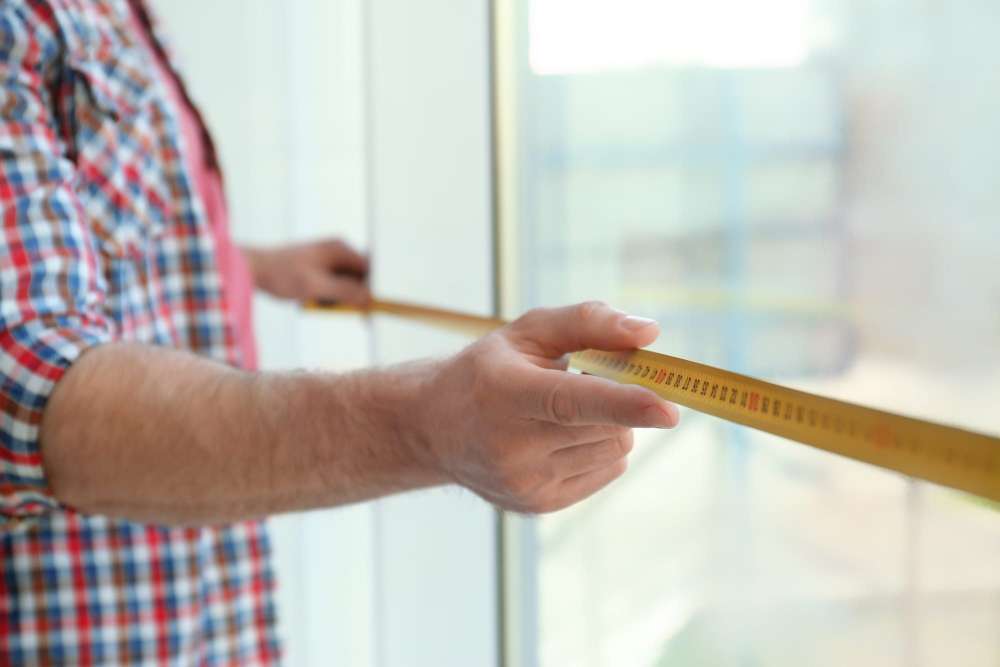
Measure More Than Once
Windows aren't always perfectly square, especially in older properties.
For this reason, you should always measure the width and the drop in at least three places. This helps identify any slight variations and ensures your measurements are as accurate as possible.
Decide How Your Blinds Will Be Fitted
Before taking any measurements, you'll need to decide whether your blinds will sit inside the window recess or outside the recess.
The measuring process is slightly different for each option.
Recess Fit
A recess fit means the blind sits neatly inside the window recess.
This creates a clean, built-in appearance and allows the window sill to remain visible. It's one of the most popular options for made-to-measure blinds and works well in most homes, provided the window recess is deep enough for your chosen blind.
Exact Fit (Outside the Recess)
An exact fit means the blind is fitted to the wall or window frame outside the recess.
Instead of measuring the opening itself, you'll be measuring the overall size you'd like the finished blind to be. This option is often chosen when the window recess is too shallow, there are obstructions inside the recess, or you want the blind to overlap the window for improved light control and privacy.
How to Measure for Blinds Inside a Recess
If you've chosen a recess fit, you'll need to measure the inside of the window opening rather than the size of the blind itself.
Step 1: Measure the Width
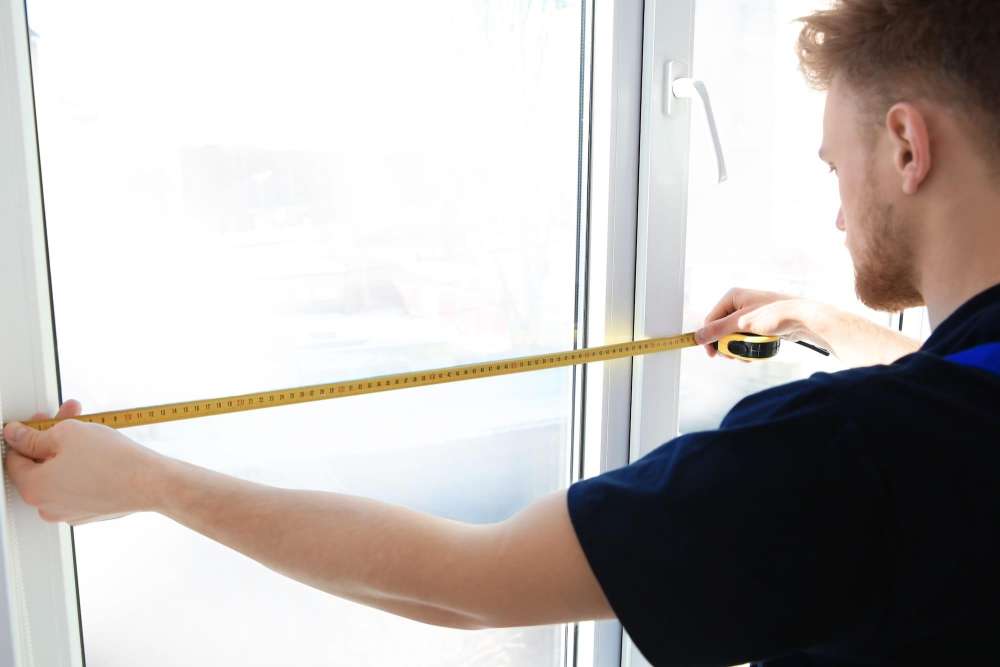
Measure the width of the window recess in three places:
- Across the top.
- Across the middle.
- Across the bottom.
Record all three measurements and use the smallest width.
This allows for any slight variations in the shape of the recess and helps ensure the blind fits comfortably.
Step 2: Measure the Drop
Next, measure the height (or drop) of the recess in three places:
- Left-hand side.
- Centre.
- Right-hand side.
Again, record all three measurements and use the smallest drop.
Don't Make Any Deductions
If you're ordering made-to-measure blinds, you should provide the exact recess measurements you've taken.
There's no need to reduce the measurements yourself, as any necessary fitting allowances will normally be made during the manufacturing process.
How to Measure for Blinds Outside the Recess
If you've chosen an exact fit, you'll be measuring the size of the finished blind rather than the window opening itself.
An exact fit allows the blind to overlap the recess, helping to reduce light gaps while creating a more striking appearance around the window.
Step 1: Decide How Much Overlap You Want
Before measuring, think about how far you want the blind to extend beyond the window recess.
As a general guide, many homeowners choose to allow around 70-100mm on each side of the window and 70-100mm above the recess. This helps improve privacy and light control while ensuring the blind completely covers the window when closed.
You may also wish to extend the blind slightly below the window sill, depending on the style you're trying to achieve.
Step 2: Measure the Width
Measure the total width you'd like the finished blind to cover, including your chosen overlap on both sides.
Record this measurement in millimetres.
Step 3: Measure the Drop
Next, measure from where you'd like the top of the blind to sit down to your desired finishing point.
Again, include any additional overlap above or below the window if required.
These measurements will represent the finished size of your blind.
How to Measure Different Types of Windows
While the basic measuring process remains the same, some window styles require a little extra consideration.
Standard Windows
For standard windows, simply decide whether you'd like a recess fit or an exact fit, then follow the appropriate measuring method.
Most homeowners choose a recess fit where possible, as it creates a neat, built-in appearance.
Bay Windows
Bay windows should always be measured as separate windows rather than one large opening.
Even if the windows appear identical, slight differences in size are common, particularly in older properties.
Taking individual measurements for each section helps ensure every blind fits correctly and operates smoothly.
Patio Doors
Vertical blinds and roller blinds are both popular choices for patio doors, but it's important to think about how the doors are used.
When measuring, consider:
- Door handles that may project into the recess.
- Whether the doors need to open fully without catching the blind.
- How much stacking space is needed when the blinds are fully open.
Allowing for these practical considerations will help ensure the blinds don't interfere with everyday use.
Bifold Doors
Bifold doors often require more careful planning because multiple door panels fold and slide together.
Depending on the blind style you choose, each door may need to be measured individually. A professional measuring service can help identify the most suitable solution while ensuring the doors continue to operate freely.
How to Measure for Roller Blinds
If you're wondering how to measure for roller blinds, the process is very similar to measuring for other made-to-measure blinds.
For a recess fit, measure the width and drop of the recess in three places and use the smallest measurements.
For an exact fit, measure the finished size you'd like the blind to be, allowing enough overlap around the window to improve light control and privacy.
If your roller blind will be fitted inside the recess, it's also worth checking that there are no window handles or other obstructions that could interfere with the blind as it operates.
If you're unsure whether a recess or exact fit is best, a professional survey can help you choose the most suitable option for your window.
Common Measuring Mistakes to Avoid
Taking accurate measurements doesn't take long, but a few simple mistakes can result in blinds that don't fit as intended.
Some of the most common errors include:
Measuring Only Once
Always measure the width and drop in at least three places.
Small differences are common, particularly in older homes where window openings may not be perfectly square.
Measuring the Glass Instead of the Recess
The blind is fitted to the window recess or outside the window, not the glass itself.
Measuring only the glass can result in blinds that are far too small.
Using the Wrong Units
Always measure in millimetres rather than centimetres or inches.
This provides much greater accuracy and helps avoid unnecessary confusion when ordering made-to-measure blinds.
Making Your Own Deductions
If you're ordering made-to-measure blinds for a recess fit, don't reduce the measurements yourself.
Simply provide the actual recess measurements, as any necessary fitting allowances will usually be made during manufacture.
Forgetting About Obstructions
Before finalising your measurements, check for anything that could affect how the blind operates, including:
- Window handles.
- Radiators.
- Tiles.
- Alarm sensors.
- Opening windows or doors.
Taking these into account before ordering can help prevent installation issues later.
Should You Measure Yourself or Use a Professional?
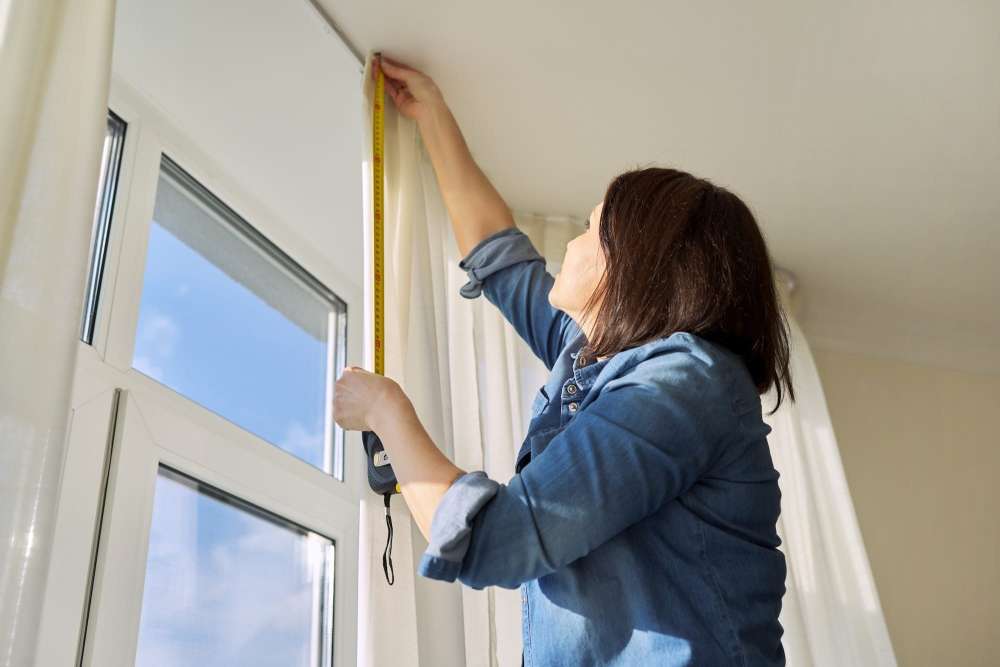
Measuring your own windows is certainly possible, particularly if you're confident using a tape measure and understand the difference between a recess fit and an exact fit.
However, even small measuring errors can affect how well your blinds fit and operate. A professional measuring service removes the guesswork and ensures every blind is made to the correct dimensions.
Professional measuring can be particularly worthwhile if:
- Your windows are unusually shaped.
- You're measuring bay windows or bifold doors.
- You're unsure which fitting option is best.
- You simply want complete peace of mind before ordering.
How Aspiration Blinds Can Help
At Aspiration Blinds, we make the process as simple as possible with a free home consultation, professional measuring service and expert installation.
Our experienced team will measure each window accurately, recommend the most suitable blind style for your home and ensure your new blinds fit perfectly.
Whether you're choosing roller blinds, vertical blinds, Roman blinds or another made-to-measure solution, we'll help you find the right option for your space and take care of the measuring and fitting from start to finish.