




Shift work can often make sleep difficult. Night shifts, rotating schedules and early starts mean trying to rest when the rest of the world is awake. Daylight, traffic, neighbours and household noise all work against you, even when you’re exhausted.
For many shift workers, sleep quality suffers because bedrooms are not designed for daytime rest.
Standard curtains and regular blinds often let light leak in around the edges, disrupting sleep and making it harder to fall and stay asleep. Over time, this broken sleep can affect energy levels, focus and overall wellbeing.
This guide explains why light control is so important for sleep and how choosing the right blinds can make a real difference when you’re looking to improve rest in your bedroom.
Why Shift Workers Struggle with Sleep
For shift workers, sleep is often taken at times the body is not naturally prepared for. Even when you are physically tired, environmental factors can make proper rest difficult to achieve.
Daytime Sleep and Light Exposure
Our bodies are programmed to stay alert during daylight hours. Natural light suppresses melatonin, the hormone that helps regulate sleep, making it harder to fall asleep and stay asleep during the day.
Even small amounts of light leaking into a bedroom can interrupt rest and reduce sleep quality.
Standard curtains and everyday blinds are usually designed for privacy or decoration rather than complete light control. Gaps around the edges, thinner fabrics and poor fitting allow daylight to filter through, which is often enough to disturb sleep for anyone trying to rest after a night shift.
The Impact of Poor Sleep on Health and Focus
Lack of consistent, high-quality sleep can quickly lead to fatigue, reduced concentration and changes in mood. Over time, poor sleep can affect performance at work, decision-making and overall wellbeing.
This matters for both homeowners and employers. For individuals, better sleep supports energy and recovery. For businesses that rely on shift patterns, helping staff achieve proper rest can contribute to improved focus, safety and productivity.
Why Light Control Matters More Than You Think
Light plays a bigger role in sleep quality than many people realise. Even when you feel exhausted, exposure to light can prevent your body from fully switching into rest mode.
Small amounts of light can suppress melatonin production, the hormone responsible for regulating sleep. This means that light leaking in around curtains or blinds can be enough to delay sleep or cause lighter, more disrupted rest, particularly for shift workers trying to sleep during the day.
Common sources of unwanted light include street lighting, passing traffic, early morning daylight and light bleed from poorly fitted window coverings. Digital light from phones or devices can also contribute, but the biggest issue for most bedrooms is uncontrolled natural light.
Consistent darkness signals to the body that it is time to sleep. Creating a properly dark environment helps support deeper, more restorative rest, making effective light control a key factor when choosing bedroom blinds.
What Makes Blackout Blinds Different from Standard Blinds?
Blackout blinds are specifically designed to block light more effectively than standard blinds. While they may look similar at first glance, the difference is in how they are made and how they are fitted.
Fabric and Construction Differences
Standard blinds are often designed for privacy or light filtering rather than complete darkness. Even thicker fabrics can still allow light to pass through, especially in bright daylight.
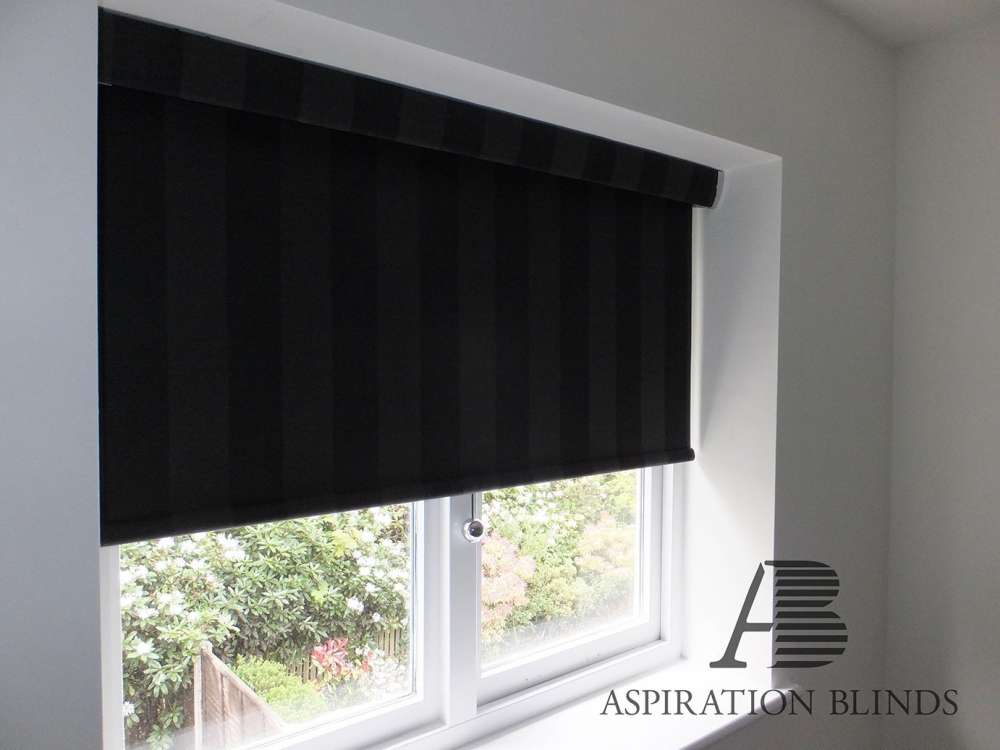
Blackout blinds use specialist fabrics and blackout linings that are engineered to prevent light from penetrating the material itself.
This creates a much darker environment, which is essential for daytime sleep.
Light bleed is another common issue with standard blinds. Gaps at the sides, top or bottom of the window can allow light to spill in, even if the fabric is opaque. Blackout blinds are designed with this in mind, reducing edge gaps and improving overall light control.
Fit and Installation
How a blind is fitted has a major impact on its blackout performance.
- Recess fitting places the blind inside the window recess, which can look neat but may still allow light around the edges if the recess is shallow or uneven.
- Exact fitting positions the blind over the window opening, helping to cover gaps and reduce light bleed more effectively.
Made-to-measure blackout blinds are particularly important for bedrooms. Precise measuring ensures the blind fits the window properly, improving light blockage and avoiding the gaps that often occur with off-the-shelf options.
For anyone relying on blackout blinds to improve sleep, fit is just as important as fabric.
Blackout Blinds vs Blackout Shutters, Which is Better for Shift Workers?
Both blackout blinds and blackout shutters can significantly improve sleep, but they suit different needs. For shift workers, the best option often depends on how much darkness you need, how your bedroom is used, and whether flexibility or structure matters more.
Blackout Blinds for Flexibility and Full Darkness
Blackout blinds are often the first choice for bedrooms used for daytime sleep.
They are ideal for bedrooms because they are specifically designed to block out light and can be tailored to minimise light bleed around the window.
When fitted correctly, blackout blinds make it much easier to achieve near-total darkness, even in bright daylight.
They also work particularly well for rented homes or temporary living situations. Installation is less invasive, and there is a wide choice of styles that can be adapted to different window types without permanent alterations.
For many shift workers, blackout blinds offer the most direct and effective solution for improving sleep.
Blackout Shutters for Insulation and Structure
Blackout shutters offer a different set of benefits. While they may not always achieve complete darkness on their own, they provide excellent insulation and help regulate room temperature, keeping bedrooms cooler during the day and warmer at night.
Shutters also help reduce outside noise, which can be a major advantage for shift workers sleeping during busy daytime hours. Their solid construction creates a calmer, more enclosed feel that supports rest.
In many cases, shutters are paired with blackout blinds to deliver the best of both worlds, strong insulation and noise reduction from the shutters, combined with near-total darkness from the blinds.
This layered approach is particularly effective in street-facing bedrooms or properties exposed to strong daylight.
If you’re comparing blackout blinds and shutters for your bedroom, a tailored approach usually delivers the best result.
A specialist can assess your room, discuss your sleep needs and recommend whether blackout blinds, shutters, or a combined solution will work best and this is also the ideal point to explore dedicated blackout blinds and shutters designed specifically for sleep-focused spaces.
Best rooms in the Home to Install Blackout Blinds
Blackout blinds are most effective when they are installed in rooms where light control has a direct impact on sleep and recovery. For shift workers, these are the spaces where good rest matters most.
Bedrooms used during the daytime
The main bedroom is the obvious priority. Blackout blinds help block daylight, street lighting and early morning sun, creating a darker environment that supports deeper sleep after night or early shifts.
Nurseries for shift-working parents
Blackout blinds can be particularly helpful in nurseries, allowing babies or young children to nap during the day without being disturbed by light. This can be especially valuable for shift-working parents trying to align rest times around changing schedules.
Spare rooms converted into sleep spaces
Many shift workers use a spare room as a dedicated sleep space. Blackout blinds allow these rooms to be properly darkened, even if they are not originally designed as bedrooms.
Home offices used for rest between shifts
In homes where a room doubles as an office and a rest space, blackout blinds provide flexibility. They allow the room to be bright and functional when working, then quickly darkened when it’s time to sleep.
Other features shift workers should look for
While blackout performance is essential, there are other features that can improve comfort and sleep quality for shift workers.
Thermal properties
Good blackout blinds can help regulate temperature by reducing heat build-up during the day. This is particularly useful in south-facing rooms or spaces with large windows, helping keep bedrooms cooler and more comfortable.
Noise reduction benefits
Although not soundproof, some blackout blinds and layered window coverings can help reduce outside noise. This can make a noticeable difference in busy areas where traffic or daytime activity disrupts sleep.
Easy operation
Shift workers often rest at irregular times, so blinds should be easy to operate quickly and quietly. Smooth mechanisms make it easier to darken a room without effort, even when you’re already tired.
Low-maintenance materials
Low-maintenance fabrics and finishes are practical for bedrooms used frequently throughout the day. Easy-clean materials help keep blinds looking good without extra upkeep, which is especially important when sleep is already limited.
Choosing blackout blinds with these features in mind helps create a more comfortable, reliable sleep environment, one that works around your schedule, not against it.
Are Blackout Blinds Suitable for Commercial or Employer-Provided Accommodation?
Blackout blinds are not just beneficial in private homes. They are also well suited to commercial and employer-provided accommodation, particularly where staff work night shifts or irregular hours.
Staff accommodation
In staff housing, serviced accommodation or short-term lets, blackout blinds help create consistent sleeping conditions for different occupants. Durable, well-fitted blackout blinds support better rest while keeping maintenance simple for property managers.
Care, NHS, manufacturing and logistics workers
Sectors such as care, the NHS, manufacturing and logistics rely heavily on shift work.
Employees in these roles often need to sleep during the day to perform safely and effectively. Proper blackout blinds help reduce light disruption, supporting better recovery between shifts and improving overall wellbeing.
Why durability and easy cleaning matter
In commercial settings, window coverings need to withstand frequent use and regular cleaning. Blackout blinds made from robust, easy-clean materials are practical, hygienic and cost-effective over time.
They help maintain a clean, professional environment while delivering the light control needed for daytime sleep.
For employers and accommodation providers, blackout blinds are a simple upgrade that can make a meaningful difference to comfort, rest and long-term usability of the space.
Choosing the right blackout blinds for your sleep routine
Not all blackout blinds work the same way, and the best choice depends on how you sleep, when you sleep and how your room is set up. The goal is to block light effectively without making the space harder to use day to day.
When roller blackout blinds work best
Roller blackout blinds are a popular choice for bedrooms because they are simple, effective and versatile. They work best when:
- You need strong light control without a bulky system
- The window shape is straightforward
- You want a cost-effective solution that still delivers good blackout performance
With the right fabric and fitting, roller blackout blinds can significantly reduce daylight and are suitable for most bedrooms used for daytime sleep.
When Cassette or Perfect Fit Blackout Blinds are Better
Cassette and Perfect Fit blackout blinds are designed to reduce light bleed around the edges, which is often the main issue for shift workers.
They are a better option when:
- Light leaking in around the sides of the window is a problem
- You want a neater, more integrated look
- The blind is fitted to uPVC windows or doors
These systems help improve overall blackout performance and are often recommended where sleep disruption is particularly severe.
When Shutters or Combined Solutions Make Sense
In some bedrooms, especially those facing busy roads or strong daylight, a single solution may not be enough. Shutters can improve insulation, reduce noise and add structure, while blackout blinds deliver near-total darkness.
A combined approach makes sense when:
- Temperature control is as important as light control
- External noise affects sleep
- You want a long-term, premium solution
This layered setup is often the most effective option for shift workers who need reliable, consistent sleep during the day.
Ready to sleep better?
If you’re struggling with daytime sleep, getting the right advice can make a real difference. Aspiration Blinds offers a free, no-obligation measuring service to help you find the most effective blackout solution for your space.
With expert guidance, accurate measuring and access to fabric and finish samples, solutions can be tailored to different shift patterns, room layouts and budgets.
Whether you’re fitting one bedroom or multiple rooms, professional advice helps ensure your blackout blinds work as hard as you do.